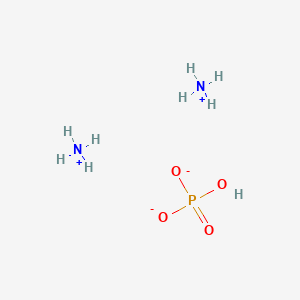
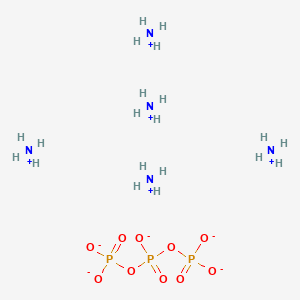

Ammonium Polyphosphate (APP), (NH4)3P04), (H20N5O10P3), polymeric form of Ammonium Polyphosphate (68333-79-9), is a phosphorus-based & halogen free flame retardant universally used in intumescent coatings, thermoplastics, and polymer composites. Upon heating, APP decomposes to release phosphoric acid, which promotes char formation, enhancing flame resistance and reducing smoke generation. On a scientific note, 14728-39-3 is also a valid identifier for a specific, shorter-chain variety of the compound in general catalysts, emulsifiers, or food additives. Supplied as technical-grade granules or powder, APP is a key ingredient in industrial flame retardant formulations, plastics, and coatings. Also referred to as triammonium orthophosphate by ammonium polyphosphate (APP) manufacturers. We are the leading, trusted polymeric ammonium polyphosphate supplier worldwide and in the United States, with reliable lead times and global supply capability.


Ammonium Polyphosphate (APP), (NH4)3P04), (H20N5O10P3), polymeric form of Ammonium Polyphosphate (68333-79-9), is a phosphorus-based & halogen free flame retardant universally used in intumescent coatings, thermoplastics, and polymer composites. Upon heating, APP decomposes to release phosphoric acid, which promotes char formation, enhancing flame resistance and reducing smoke generation. On a scientific note, 14728-39-3 is also a valid identifier for a specific, shorter-chain variety of the compound in general catalysts, emulsifiers, or food additives. Supplied as technical-grade granules or powder, APP is a key ingredient in industrial flame retardant formulations, plastics, and coatings. ...
Flame Retardants
Nitrogen & Intumescent Systems
Intumescent acids/char formers
.7767eb0f.png)

Chemical Properties & Specifications
APP is considered relatively safe for humans and the environment, non-flammable, and environmentally friendly
H302: Harmful if swallowed
H315: Causes skin irritation
H319: Causes serious eye irritation
H335: May cause respiratory irritation
Main component in intumescent coatings, paints, and plastics
Preferred in polypropylene (PP), polyethylene (PE), polyurethane (PU) foams, epoxy resins. Promotes thermal stability, smoke suppression, and char formation in halogen free FR systems
Fire-retardant additive in wood, textiles, papers, and decorative laminates. Preferred in fire-resistant paints, coatings.
Nitrogen-phosphorus fertilizer (slow release, water soluble)
Improves flame resistance in water-based and solvent-based systems
Forms protective char layer upon exposure to heat, reducing flammability
Store at 15–30 °C
Keep dry, sealed, and away from moisture
Up to 2 years under recommended storage conditions
Non-toxic, but avoid dust inhalation; use gloves and dust mask
Used as a halogen-free flame retardant and intumescent agent in polymers, thermoplastics, coatings, and cable insulation.
Thermally decomposes to release phosphoric acid and ammonia, which is the basis for its flame retardant (intumescent) action.
3809.91.30- APP is being imported as a textile finishing agent or auxiliary. 3105.40.00 or 3105.90.90, when APP is classified as a mineral or chemical fertilizer containing nitrogen and phosphorus
Polymer compounding, cable and wire manufacturing, thermoplastic production, fire-resistant coatings, industrial R&D labs. The chain length (n) of this polymer is variable and can be linear or branched has not have a role as a flame retardant but also a fertilizer and a food emulsifier.
PVC, ABS, polyolefins, and other thermoplastics requiring halogen-free flame retardancy.
Promotes char formation, thermal stability, and smoke suppression, serving as a key component in halogen-free FR systems.