Search through


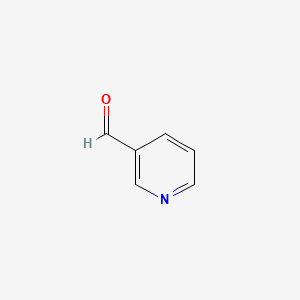
3-Pyridinecarboxaldehyde (CAS 500-22-1), also known as nicotinaldehyde or pyridine-3-carbaldehyde, is a high-value heterocyclic aldehyde widely used in pharmaceutical synthesis, agrochemical intermediates, and specialty chemical manufacturing across the United States. It is a reactive heterocyclic aromatic aldehyde combining a pyridine ring with an aldehyde (-CHO) functional group at the 3-position. 3-Pyridinecarboxaldehyde is a colorless to pale yellow liquid with high reactivity toward nucleophilic addition, readily undergoing condensation, reductive amination, Schiff base formation, Wittig, and Knoevenagel reactions with amines, hydrazines, and active methylene compounds. This chemical versatility makes it a cornerstone building block in pharmaceutical API synthesis, agrochemical intermediate production, and fine chemical manufacturing across the US specialty chemicals market. As a trusted 3-pyridinecarboxaldehyde supplier in the USA, Scimplify delivers high-purity 3-pyridinecarboxaldehyde (>98.0%) with consistent batch quality, and complete technical documentation (COA, SDS, TDS). Our supply chain supports pharmaceutical companies, CDMOs, and specialty chemical manufacturers with reliable sourcing, scalable volumes, and quality aligned with U.S. industrial and regulatory expectations.
3-Pyridinecarboxaldehyde (CAS 500-22-1), also known as nicotinaldehyde or pyridine-3-carbaldehyde, is a high-value heterocyclic aldehyde widely used in pharmaceutical synthesis, agrochemical intermediates, and specialty chemical manufacturing across the United States. It is a reactive heterocyclic aromatic aldehyde combining a pyridine ring with an aldehyde (-CHO) functional group at the 3-position. 3-Pyridinecarboxaldehyde is a colorless to pale yellow liquid with high reactivity toward nucleophilic addition, readily undergoing condensation, reductive amination, Schiff base formation, Wittig, and Knoevenagel reactions with amines, hydrazines, and active methylene compounds. This chemical ve...

.3d8f8f41.svg)
Pharmaceutical, Agrochemicals
.3556d45a.svg)

Pharmaceutical Actives & Precursors, Agrochemical Intermediates


Intermediates & Precursors, Halogenated Heterocycles
.7767eb0f.png)

Chemical Properties & Specifications
Oral LD50 (Rat): 500-2000 mg/kg
o Flammable liquid and vapor o Harmful if swallowed o Causes skin irritation o May cause an allergic skin reaction o May cause respiratory irritation o Harmful to aquatic life with long-lasting effects
o H226: Flammable liquid and vapor o H302: Harmful if swallowed o H315: Causes skin irritation o H317: May cause an allergic skin reaction o H335: May cause respiratory irritation o H412: Harmful to aquatic life with long-lasting effects o P210: Keep away from heat, hot surfaces, sparks, open flames, and other ignition sources.
No smoking. o P233: Keep container tightly closed. o P273: Avoid release to the environment. o P280: Wear protective gloves, protective clothing, eye protection, face protection, and hearing protection. o P301 + P312: IF SWALLOWED: Call a POISON CENTER or doctor if you feel unwell. o P303 + P361 + P353: IF ON SKIN (or hair): Take off immediately all contaminated clothing. Rinse skin with water.
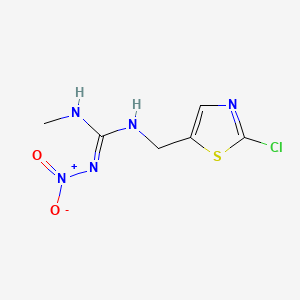
A direct precursor in the synthesis of Pymetrozine and other pyridine-containing pesticides and herbicides across global crop protection programs, valued for the metabolic stability and bioavailability advantages conferred by the pyridine scaffold in modern agrochemical design
Catalogued as an antimicrobial agent with functional utility in flavor and fragrance ingredient formulations; documented as a naturally occurring aromatic component in tobacco chemistry with relevance to F&F regulatory frameworks in the US.
Supplied to US pharmaceutical R&D labs, CROs, and academic institutions as a building block and reaction substrate, with documented utility in asymmetric synthesis (diethylzinc additions using chiral catalysts to yield enantioenriched 3-pyridyl alkanols), medicinal chemistry screening, and heterocyclic chemistry research.
Used extensively across the US pharmaceutical and biotech supply chain as a key building block for synthesizing active pharmaceutical ingredients (APIs) targeting anti-inflammatory, anticancer, CNS, antimicrobial, and antifungal indications.
Avoid all personal contact, including inhalation. Use in a well-ventilated area away from ignition sources. Wear protective clothing when risk of exposure occurs.
Store in original containers in approved flammable liquid storage areas. Keep containers tightly closed in a cool, dry, well-ventilated place away from incompatible materials.
25 kg drums, 200 kg IBC drums
Store at 15–30°C
Primarily used as an intermediate in pesticide formulations and pharmaceutical intermediates. Useful in organic synthesis, including the preparation of Schiff bases and ligands. It is not a direct consumer product but is critical in making crop protection products and pharmaceuticals.
Requires flammable liquid handling protocols, storage in cool, ventilated areas, and use of PPE. Handle under fume hoods due to its volatility and odor; avoid direct skin contact. This is an industrial chemical and not available for direct consumer use.
It serves as an efficient precursor for manufacturing a variety of pesticides. It offers a reactive aldehyde functional group, allowing versatile transformations. Ensures effective pest control solutions in modern agriculture by being part of advanced formulations.