Search through


3-Methyl-4-nitroimino-perhydro-1,3,5-oxadiazine or N-(3-methyl-2,6-dihydro-1,3,5-oxadiazin-4-yl)nitramide is a synthetic organic compound primarily used as a key intermediate in the manufacture of the largely used neonicotinoid insecticide, Thiamethoxam. Also known by the name 3-Methyl-4-nitroimino-tetrahydro-1,3,5-oxadiazine, due to a tautomeric relationship between the imino and amido-nitro forms. We are the leading and trusted various agrochemical intermediate supplier worldwide with reliable lead times and global supply capability.
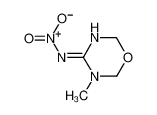
3-Methyl-4-nitroimino-perhydro-1,3,5-oxadiazine or N-(3-methyl-2,6-dihydro-1,3,5-oxadiazin-4-yl)nitramide is a synthetic organic compound primarily used as a key intermediate in the manufacture of the largely used neonicotinoid insecticide, Thiamethoxam. Also known by the name 3-Methyl-4-nitroimino-tetrahydro-1,3,5-oxadiazine, due to a tautomeric relationship between the imino and amido-nitro forms. We are the leading and trusted various agrochemical intermediate supplier worldwide with reliable lead times and global supply capability.

.3d8f8f41.svg)
Agrochemicals
.3556d45a.svg)

Agrochemical Intermediates


Halogenated Heterocycles
.7767eb0f.png)

Chemical Properties & Specifications
(GHS07)
H302 (Harmful if swallowed)
H317 (May cause an allergic skin reaction)
H412 (Harmful to aquatic life with long lasting effects)
Agrochemical Synthesis (Pesticide Intermediates)
Key intermediate for the synthesis of the neonicotinoid insecticide Thiamethoxam
Broad Spectrum Thiamethoxam, systemic insecticide used for crop protection against piercing-sucking insects (e.g., aphids, whiteflies)
Scientific research for synthesising other compounds and as a laboratory reagent/diluent
Store in a cool, dry place, under an inert atmosphere
25 bags or fiber drums; specific packaging might be available
15°C or 2 - 8°C for long-term storage, protected from light
Key chemical building block and intermediate in the industrial synthesis of Thiamethoxam, a popular neonicotinoid insecticide used globally in agriculture.
No, it is a chemical intermediate. It must undergo further reaction steps to be converted into the final, active insecticide, Thiametham.
By reacting methyl nitroguanidine and paraformaldehyde. Different catalysts, such as macroporous strong-acid cation exchange resins or a mixed acid system of formic acid and dilute sulfuric acid, can be used to optimize the reaction.
The names "perhydro" and "tetrahydro" are sometimes used interchangeably for this compound due to a tautomeric relationship involving the imino and nitro groups.