Search through


1-Bromo-3-chloropropane (CAS 109-70-6) is a high-purity, bifunctional halogenated alkane that serves as a cornerstone in modern organic synthesis. With it's unique chemical profile, featuring both a bromine & a chlorine atom on a propane backbone, it allows for highly selective, stepwise alkylation reactions due to the differing reactivity of the two halogen groups. In the pharmaceutical industry, it is a critical intermediate for the synthesis of cardiovascular drugs like Gemfibrozil and various central nervous system (CNS) agents, including phenothiazine-based antipsychotics. Within the agrochemical sector, it acts as a versatile building block for the production of specialized herbicides and soil fumigants. By providing a precise, high-yield bridge between raw elemental halogens and complex active molecules, 1-Bromo-3-chloropropane is an essential asset for fine chemical manufacturers and CDMOs focused on precision molecular engineering. We are a globally established life science, crop science, and elemental derivatives supplier, along with a broad portfolio of other speciality chemicals worldwide through comprehensive regulatory documentation (CoA), traceability, and consistent global supply capabilities, ensuring reliable lead times and quality assurance across all grades.
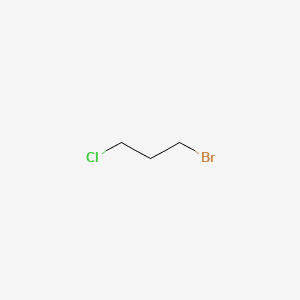
1-Bromo-3-chloropropane (CAS 109-70-6) is a high-purity, bifunctional halogenated alkane that serves as a cornerstone in modern organic synthesis. With it's unique chemical profile, featuring both a bromine & a chlorine atom on a propane backbone, it allows for highly selective, stepwise alkylation reactions due to the differing reactivity of the two halogen groups. In the pharmaceutical industry, it is a critical intermediate for the synthesis of cardiovascular drugs like Gemfibrozil and various central nervous system (CNS) agents, including phenothiazine-based antipsychotics. Within the agrochemical sector, it acts as a versatile building block for the production of specialized herbicides ...

.3d8f8f41.svg)
Elemental Derivatives
.3556d45a.svg)

Bromine


Bromo Alkyls & Alkenes
.7767eb0f.png)

Chemical Properties & Specifications
H226 (28.6%), H302 (99.5%), H315 (11.1%), H319 (11.6%), H331 (74.1%), H332 (24.9%), H335 (45.5%), H341 (35.4%), H412 (68.8%)
P203, P210, P233, P240, P241, P242, P243, P261, P264, P264+P265, P270, P271, P273, P280, P301+P317, P302+P352, P303+P361+P353, P304+P340, P305+P351+P338, P316, P317, P318, P319, P321, P330, P332+P317, P337+P317, P362+P364, P370+P378, P403+P233, P403+P235, P405, and P501
Primary intermediate for the synthesis of Gemfibrozil, used to lower triglycerides and increase HDL cholesterol
Essential for the side-chain alkylation of phenothiazines and other CNS-active molecules
Scaffold in the development of certain topical and regional anesthetic agents
Key building block for creating nitrogen-containing heterocycles used in systemic herbicides
Utilized in the formulation of specialized fumigants and nematicides that require precise halogen release profiles
Specialized polymer chemistry to introduce halogen-functionalized branches into resins Fragrance Intermediates: Employed in the synthesis of certain macrocyclic musks and aroma compounds.
Store in a cool (15-25°C), well-ventilated area away from direct sunlight and heat sources
Keep containers hermetically sealed - Moisture can lead to slow hydrolysis, releasing corrosive hydrohalic acids
Flammable Liquid. Harmful if swallowed or inhaled. Causes skin and eye irritation. Potential respiratory irritant
Avoid contact with strong oxidizing agents, strong bases, and active metals like Magnesium or Sodium (Grignard risks)
The bromine atom is a significantly better leaving group than the chlorine atom. This allows chemists to perform a selective reaction at the bromine site first, leaving the chlorine site intact for a second, different reaction later. This "step-wise" control is impossible with symmetrical di-haloalkanes.
Pharmaceutical synthesis requires extremely low levels of isomeric impurities (like 1-bromo-2- chloropropane). Our grade ensures ≥ 99% purity with controlled moisture levels, which prevents side reactions and increases the final API yield.
Yes, it is typically classified as UN 2688, Class 6.1 (Toxic substances), and requires specialized packing and labeling for international transit.
While halogens are reactive, BCP is valued for its efficiency. High-purity BCP reduces the formation of by-products, which aligns with waste reduction principles in advanced chemical manufacturing.