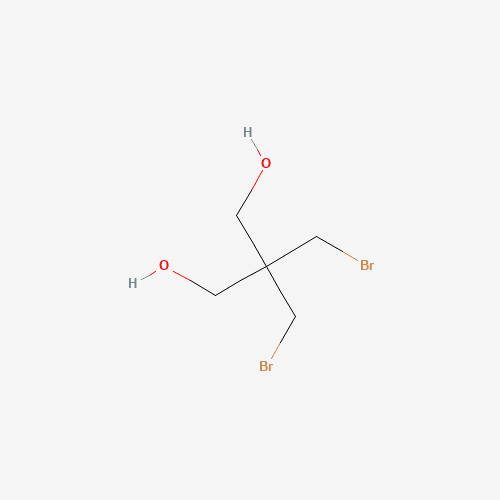

Dibromoneopentyl glycol (DBNPG) is a highly specialised, reactive brominated flame retardant engineered with a unique neopentyl structure that isolates its two chemically stable aliphatic bromine atoms from thermal degradation, allowing it to withstand high-temperature polymer processing without releasing corrosive byproducts. Featuring two primary hydroxyl groups, DBNPG acts as a bifunctional monomer rather than a migratory additive; it chemically integrates directly into polymer backbones during polycondensation, eliminating the risk of additive leaching while providing structural permanence and excellent ultraviolet and light stability. Predominantly utilised in the polyurethane industry to formulate Class I and Class II rigid foams for thermal insulation panels, in the electronics sector to manufacture dimensionally stable, flame-retardant unsaturated polyester and epoxy resins for printed circuit boards (PCBs), and in the automotive and aerospace industries to produce lightweight, fire-resistant thermoset composites and interior structural components that comply with stringent flame, smoke, and toxicity (FST) safety standards. As a premier global DBNPG supplier offering high-purity Dibromoneopentyl glycol, we guarantee dependable supply, consistent quality, and a robust regulatory package including complete DBNPG CoA, TDS, and seamless international logistics coordination.

Dibromoneopentyl glycol (DBNPG) is a highly specialised, reactive brominated flame retardant engineered with a unique neopentyl structure that isolates its two chemically stable aliphatic bromine atoms from thermal degradation, allowing it to withstand high-temperature polymer processing without releasing corrosive byproducts. Featuring two primary hydroxyl groups, DBNPG acts as a bifunctional monomer rather than a migratory additive; it chemically integrates directly into polymer backbones during polycondensation, eliminating the risk of additive leaching while providing structural permanence and excellent ultraviolet and light stability. Predominantly utilised in the polyurethane industry ...

Chemical Properties & Specifications
Acute Tox. 4 (63.4%) & Eye Irrit. 2A (95.7%)
Muta. 1B (19.1%) & Muta. 2 (75%)
Carc. 1B (19.1%) & Carc. 2 (23.3%)
STOT RE 2 (17.7%) & Aquatic Chronic 4 (17.7%)
H340: May cause genetic defects
H350: May cause cancer
P203, P280, P318, P405, and P501
Category : Metal Oxides & Synergists, Critical metals & Strategic materials
Sub-Category : Metal additives, Bismuth Compounds
Description : Bismuth granular (CAS 7440-69-9) is an essential high purity fine chemical utilized in the API inter...
Category : Synergists & Smoke Suppressants, Electronic & Specialty Grade Materials
Sub-Category : Antimony-based synergists, High Purity Metals, Compounds & Powders
Category : Metal Oxides & Synergists, Critical metals & Strategic materials
Sub-Category : Bismuth oxides, Bismuth Compounds
Description : Bismuth Trioxide is a high-density, inorganic flame retardant additive used in halogenated and halog...