

Chelated Zinc (Zn-EDTA-12%) is a pivotal micronutrient solution within the global agricultural sector, specifically engineered to address widespread soil zinc deficiencies that limit crop yield and enzymatic activity. EDTA (Ethylenediaminetetraacetic acid) is indeed a synthetic aminopolycarboxylic acid. It is one of the most widely used chelating agents because its "hexadentate" structure (having six binding sites) allows it to wrap around metal ions like a claw, keeping them soluble and preventing them from reacting with other elements. The market for Zinc EDTA is experiencing a robust growth trajectory, with valuations projected to rise from approximately USD 142 million in 2024 to USD 224 million by 2032, supported by a compound annual growth rate of nearly 6%. This expansion is largely underpinned by the increasing adoption of precision farming and fertigation techniques, where the high stability of the EDTA chelate ensures superior bioavailability across a broad pH range of 5.0 to 10.0 compared to inorganic salts. Furthermore, the industrial versatility of Chelated Zinc extends into pharmaceutical and food fortification sectors, driven by rising global demand for immune-support supplements and micronutrient-dense consumer goods. As a globally established Chelated Zinc (Zn-EDTA-12%) supplier with 12% purity, we ensure dependable supply, consistent quality, and complete regulatory documentation, including Chelated Zinc (Zn-EDTA-12%) CoA and Chelated Zinc (Zn-EDTA-12%) TDS across all grades. Beyond supply, we support partners through the entire product lifecycle from route scouting, process and formulation development, and analytical method development to scale-up, process optimisation, and pilot-to-commercial manufacturing. Our teams also assist with GMP-compliant quality assurance, regulatory documentation, and global supply chain and logistics coordination.

Chelated Zinc (Zn-EDTA-12%) is a pivotal micronutrient solution within the global agricultural sector, specifically engineered to address widespread soil zinc deficiencies that limit crop yield and enzymatic activity. EDTA (Ethylenediaminetetraacetic acid) is indeed a synthetic aminopolycarboxylic acid. It is one of the most widely used chelating agents because its "hexadentate" structure (having six binding sites) allows it to wrap around metal ions like a claw, keeping them soluble and preventing them from reacting with other elements. The market for Zinc EDTA is experiencing a robust growth trajectory, with valuations projected to rise from approximately USD 142 million in 2024 to USD 224...

Chemical Properties & Specifications
P273, P264, P270, P301+P310, P321, P330, P391, and P405
Acute Tox. 3 (100%)
Aquatic Acute 1 (100%)
A highly effective chelated zinc source used to rapidly correct zinc deficiencies and improve overall plant growth, enzyme activation, and chlorophyll formation across various crops
A versatile 12% EDTA-chelated zinc powder suitable for foliar spray, soil application, and fertigation to enhance crop yield and quality in cereals, vegetables, and fruits
A critical nutrient involved in the synthesis of auxins and growth hormones responsible for stem elongation and cell division in agricultural and horticultural applications.
Chelated Zinc (Zn-EDTA-12%) is a water-soluble micronutrient fertilizer used to correct zinc deficiencies in crops, promoting healthy plant growth, enzyme activity, and improved yields
This product is primarily used in the agricultural and horticultural industries for crop nutrition and soil health management
It is a 100% water-soluble powder compatible with most fertilizers, agrochemicals, and application methods including foliar spray, soil drenching, and fertigation
Standard specifications include 12% zinc content in EDTA-chelated form, high purity, and documentation such as COA, TDS, impurity reports, and regulatory compliance documents
Scimplify has capabilities for global distribution and custom synthesis through an integrated network of manufacturers and logistics partners with reliable lead time
The product is export ready with a standard MOQ starting from 100 kgs, with lead times for international customers depending on the shipping destination and specific grade.
Category : Plant Health, Nutrients & Soil Management
Sub-Category : Fertilizers & Nutrients
Category : Agrochemical Intermediates
Sub-Category : Specialty & Advanced Intermediates
Description : 2-Isopropoxyethylamine (CAS 81731-43-3), often used interchangeably with CAS 83495-51-6, is a specia...
Category : Crop Protection & Pest Control
Sub-Category : Insecticides
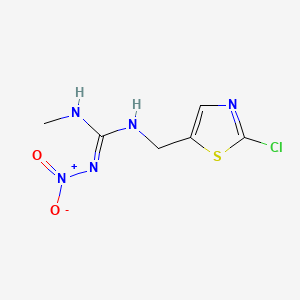
Description : Clothianidin is a systemic broad-spectrum, neonicotinoid insecticide used to control sap-sucking ins...
Category : Plant Health, Nutrients & Soil Management
Sub-Category : Plant Growth Regulators & Harvest Aids
Description : Phosphorous acid (CAS 13598-36-2) serves as a vital reducing agent and intermediate in the API inter...