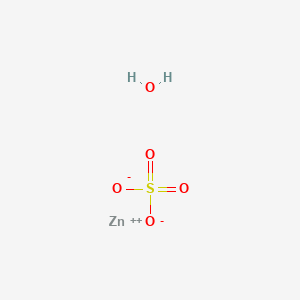
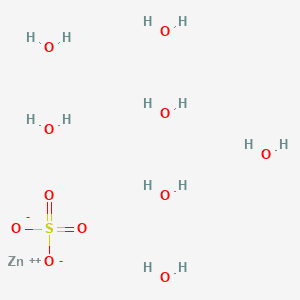

Zinc Sulphate is a high-solubility inorganic salt of Zinc (Zn), an essential micronutrient for both human, animal, and plant health. Typically supplied in one of two main hydrate forms by Zinc Sulphate producers. Zinc Sulphate Monohydrate (CAS 7446-19-7): High concentration of Zinc (35% minimum Zn). Zinc sulphate monohydrate's water content makes it the preferred form for bulk blending in solid fertilisers and for animal feed supplementation due to its higher active ingredient percentage per weight. Zinc Sulphate Heptahydrate (CAS 7446-20-0): containing a lower concentration of Zinc (22% minimum Zn). Zinc sulphate's Heptahydrate's high solubility makes it the preferred choice for liquid fertiliser solutions (foliar sprays) and certain industrial applications where rapid dissolution is critical. Also called ‘white vitriol’ by Zinc Sulphate distributors. We are the leading Zinc Sulphate supplier worldwide, ensuring comprehensive regulatory support & CoA traceability for various grades with global supply capability with reliable lead time.

Zinc Sulphate is a high-solubility inorganic salt of Zinc (Zn), an essential micronutrient for both human, animal, and plant health. Typically supplied in one of two main hydrate forms by Zinc Sulphate producers. Zinc Sulphate Monohydrate (CAS 7446-19-7): High concentration of Zinc (35% minimum Zn). Zinc sulphate monohydrate's water content makes it the preferred form for bulk blending in solid fertilisers and for animal feed supplementation due to its higher active ingredient percentage per weight. Zinc Sulphate Heptahydrate (CAS 7446-20-0): containing a lower concentration of Zinc (22% minimum Zn). Zinc sulphate's Heptahydrate's high solubility makes it the preferred choice for liquid fertiliser solutions (foliar sprays) and certain industrial applications where rapid dissolution is critical. Also called ‘white vitriol’ by Zinc Sulphate distributors. We are the leading Zinc Sulphate supplier worldwide, ensuring comprehensive regulatory support & CoA traceability for various grades with global supply capability with reliable lead time.
Agrochemicals
Plant Health, Nutrients & Soil Management
Fertilizers & Nutrients

Chemical Properties & Specifications
H302 (85.5%): Acute toxicity, oral
H315 (14.3%): Skin corrosion/irritation
H318 (85.7%): Serious eye damage/eye irritation
H319 (14.3%): Serious eye damage/eye irritation
H335 (14%): Specific target organ toxicity, single exposure; Respiratory tract irritation
H400 (85%): Hazardous to the aquatic environment, acute hazard
H410 (85.5%): Hazardous to the aquatic environment, long-term hazard
P261, P264, P264+P265, P270, P271, P273, P280, P301+P317, P302+P352, P304+P340, P305+P351+P338, P305+P354+P338, P317, P319, P321, P330, P332+P317, P337+P317, P362+P364, P391, P403+P233, P405, and P501
Correcting Zinc deficiency in crops globally, often applied via soil broadcasting (Monohydrate) or foliar spray (Heptahydrate)
Nutritional supplement to ensure adequate Zinc intake in livestock and poultry
Used as a depressant in the flotation separation of lead/zinc ores to prevent Sphalerite (Zinc sulfide) from floating
Production of Lithopone (a white pigment), in the rayon industry, and as a raw material for other Zinc compounds
Stable
With strong oxidizing agents
Protect from moisture