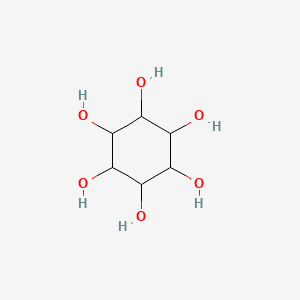

Myo-Inositol or An inositol (CAS 87-89-8) (biochemical compound) is a naturally occurring polyol (sugar alcohol)—the most biologically active isomer of the inositol family. While traditionally classified as Vitamin B8, technically a carbocyclic sugar synthesised by the human body from glucose. Muco-Inositol serves as a structural component of secondary messengers in eukaryotic cells, playing a pivotal role in the Phosphatidylinositol (PI) Cycle. Scyllo-inositol is indispensable for cellular signalling, as it acts as a precursor for inositol phosphates, which regulate vital processes including insulin signal transduction, cytoskeleton assembly, nerve guidance, and intracellular calcium concentration. In clinical and manufacturer contexts, it is the "gold standard" isomer for restoring metabolic and reproductive balance. We are a globally established nutraceuticals supplier, along with a broad portfolio of various nutraceutical ingredients worldwide through comprehensive regulatory documentation (CoA), traceability, and consistent global supply capabilities, ensuring reliable lead times and quality assurance across all grades

Myo-Inositol or An inositol (CAS 87-89-8) (biochemical compound) is a naturally occurring polyol (sugar alcohol)—the most biologically active isomer of the inositol family. While traditionally classified as Vitamin B8, technically a carbocyclic sugar synthesised by the human body from glucose. Muco-Inositol serves as a structural component of secondary messengers in eukaryotic cells, playing a pivotal role in the Phosphatidylinositol (PI) Cycle. Scyllo-inositol is indispensable for cellular signalling, as it acts as a precursor for inositol phosphates, which regulate vital processes including insulin signal transduction, cytoskeleton assembly, nerve guidance, and intracellular calcium concen...

Chemical Properties & Specifications
Second messenger for Follicle-Stimulating Hormone (FSH). B2B formulations to improve oocyte quality and restore ovulatory function in women with Polycystic Ovary Syndrome
Enhances the ratio of Myo-inositol to D-chiro-inositol in follicular fluid, which is critical for healthy embryo development
Mimics the effects of insulin by improving glucose uptake into cells, making it a key active for metabolic syndrome and Type 2 Diabetes management
Reducing serum triglycerides and improving "good" HDL cholesterol levels
Secondary messenger for Serotonin and Dopamine receptors, bulk Myo-inositol is used in high-dose therapeutic formulations (up to 18 g/day) for anxiety, OCD, and panic disorders
Essential additive in infant nutrition to mimic the high inositol content found in human breast milk, supporting neonatal lung development and neural growth
"Inositol" is a general term for nine different isomers. Myo-Inositol is the specific isomer that accounts for $90\%$ of the inositol in the human body and is the primary active used in clinical supplements.
While Myo-inositol focuses on FSH signaling and glucose uptake, D-chiro-inositol is involved in glycogen synthesis. A specific 40 : 1 ratio (Myo to DCI) is often used in B2B formulations to mimic physiological plasma levels for PCOS treatment
Yes. Most commercial Myo-inositol (in the market) is derived via the hydrolysis of phytic acid from corn or grains, making it a vegan-friendly, plant-derived bioactive.
Even at high therapeutic doses (12-18g), it has an excellent safety profile. The most common minor side effect is mild gastrointestinal distress (nausea or flatulence), which is usually transient.
Yes, export ready with Inositol COA, Inositol tds and other necessary compliances.
The MOQ for Inositol is 2000 kgs for competitive pricing.