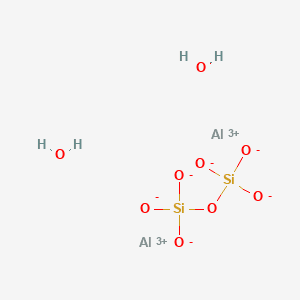

Alumino Silicates (Aluminum Silicate) (Hydrous: 1332-58-7, Calcined: 92704-41-1) represent a versatile class of minerals that serve as the backbone for both high-end industrial engineering and critical pharmaceutical formulations. While Hydrous Alumino Silicate (Kaolin) is core in the pharmaceutical sector for its exceptional adsorption capacity and chemical inertness, its thermally treated counterpart, Calcined Alumino Silicate, is a staple in metallurgy and material science due to its enhanced opacity, hardness, and electrical resistivity. The calcination process - heating the mineral between 650°C and 900°C - removes structural water to create an anhydrous, amorphous structure that optimises light scattering in coatings and reinforces polymer matrices. In contrast, pharmaceutical-grade hydrous silicates are purified to rigorous pharmacopoeia standards to act as intestinal adsorbents or high-functionality excipients. By connecting through heavy industrial performance and life-science purity, aluminosilicates offer a multi-functional solution for speciality chemical suppliers and paint manufacturers. We are a globally established unified CDMO worldwide, with comprehensive regulatory documentation (CoA), traceability, and consistent global supply capabilities, ensuring reliable lead times and quality assurance across all grades.

Alumino Silicates (Aluminum Silicate) (Hydrous: 1332-58-7, Calcined: 92704-41-1) represent a versatile class of minerals that serve as the backbone for both high-end industrial engineering and critical pharmaceutical formulations. While Hydrous Alumino Silicate (Kaolin) is core in the pharmaceutical sector for its exceptional adsorption capacity and chemical inertness, its thermally treated counterpart, Calcined Alumino Silicate, is a staple in metallurgy and material science due to its enhanced opacity, hardness, and electrical resistivity. The calcination process - heating the mineral between 650°C and 900°C - removes structural water to create an anhydrous, amorphous structure that optimises light scattering in coatings and reinforces polymer matrices. In contrast, pharmaceutical-grade hydrous silicates are purified to rigorous pharmacopoeia standards to act as intestinal adsorbents or high-functionality excipients. By connecting through heavy industrial performance and life-science purity, aluminosilicates offer a multi-functional solution for speciality chemical suppliers and paint manufacturers. We are a globally established unified CDMO worldwide, with comprehensive regulatory documentation (CoA), traceability, and consistent global supply capabilities, ensuring reliable lead times and quality assurance across all grades.
Pharmaceutical
Excipients
Fillers & Diluents

Chemical Properties & Specifications
Not Classified
Reported as not meeting GHS hazard criteria
Classified as a "nuisance dust. Use P2/N95 respirators during bulk transfer to avoid respiratory irritation (Kaolinosis prevention).
Anti-diarrheal formulations to bind bacterial toxins and irritants in the digestive tract
Necessary bulk to solid dosage forms and improves powder flow during high-speed tableting
Fillers in vial stoppers to ensure they are chemically inert and prevent the leaching of impurities into liquid medications
Functional spacer for Titanium Dioxide in paints and coatings, providing high opacity and scrub resistance at a reduced cost
As Metakaolin, Highly reactive pozzolan, reacting with free lime in cement to increase compressive strength and decrease permeability
Superior dielectric properties in high-voltage wire insulation by removing moisture-conducting ions
Foundry sands and casting additives to provide thermal stability and prevent metal penetration
Store in a cool, dry, ventilated area. Minerals are prone to absorbing environmental odors and moisture
Critical. Hydrous grades must stay dry to maintain flowability; Calcined grades must stay anhydrous to maintain electrical and coating properties
Purity (Pharmaa)-Must be stored in a dedicated GMP-compliant zone to prevent cross-contamination and ensure microbial compliance.