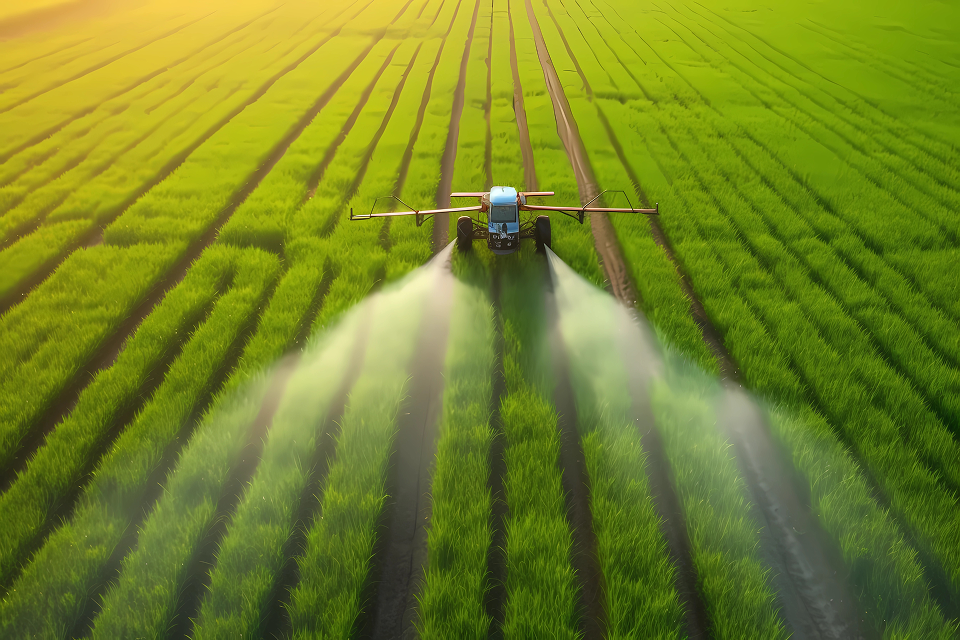
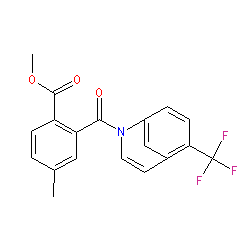

Trifloxystrobin Technical is a synthetic derivative of naturally occurring strobilurins found in certain fungi. Trifloxystrobin functions as a broad-spectrum foliar fungicide by inhibiting mitochondrial respiration in plant pathogenic fungi, effectively preventing spore germination and mycelial growth. Trifloxystrobin is particularly effective against various fungal pathogens within the Ascomycete, Deuteromycete, Basidiomycete, and Oomycete classes. Scimplify is a globally established Trifloxystrobin Technical manufacturer and agrochemical supplier, delivering formulation-ready technical material through a robust manufacturing process, comprehensive regulatory documentation (CoA), traceability, and global supply capabilities, ensuring reliable lead times and quality assurance across all grades.


Trifloxystrobin Technical is a synthetic derivative of naturally occurring strobilurins found in certain fungi. Trifloxystrobin functions as a broad-spectrum foliar fungicide by inhibiting mitochondrial respiration in plant pathogenic fungi, effectively preventing spore germination and mycelial growth. Trifloxystrobin is particularly effective against various fungal pathogens within the Ascomycete, Deuteromycete, Basidiomycete, and Oomycete classes. Scimplify is a globally established Trifloxystrobin Technical manufacturer and agrochemical supplier, delivering formulation-ready technical material through a robust manufacturing process, comprehensive regulatory documentation (CoA), traceabili...

Chemical Properties & Specifications
Skin Sensitization: Category 1, Hazardous to the Aquatic Environment (Acute): Category 1, Hazardous to the Aquatic Environment (Chronic): Category 1
H317, H400, H410
P261, P272, P273, P280, P302+P352, P333+P313, P362+P364, P391, P501
Foliar fungicide to control a wide range of fungal diseases in crops such as cereals, fruits (e.g., apples, grapes), vegetables (e.g., cucurbits), and peanuts
Manage fungal infections in turfgrass and ornamentals, including brown patch and powdery mildew
Inhibits mitochondrial respiration in fungi, leading to effective control of spore germination and mycelial growth
Exhibits redistribution to untreated plant parts through vapor action and limited cuticular penetration, enhancing its protective coverage
Store in a cool, dry place at temperatures between 5–25°C (41–77°F).
Keep away from direct sunlight, moisture, and incompatible materials.
Store in original, tightly sealed containers to prevent contamination and degradation.
Trifloxystrobin is a broad-spectrum strobilurin fungicide used to protect crops from fungal diseases, such as powdery mildew, rusts, and leaf spots.
It inhibits mitochondrial respiration in fungi, disrupting energy production and preventing fungal growth and spore germination.
Yes, Trifloxystrobin is registered for use on food crops, and it must be applied according to regulatory guidelines to ensure food safety.
Its residual activity typically lasts between 10 to 14 days, depending on environmental conditions and application methods.
Trifloxystrobin is used on cereals, fruits (such as apples and grapes), vegetables (such as cucurbits), peanuts, and turfgrass.
Trifloxystrobin is classified as hazardous to aquatic environments, so it should be used with caution near water bodies. However, it is safe for crops when applied following recommended guidelines.
The recommended dosage depends on the crop and severity of fungal infections, generally ranging from 100-300 g/ha.
Compared to other strobilurins, Trifloxystrobin has superior translaminar and vapor activity, allowing better coverage and systemic protection.