
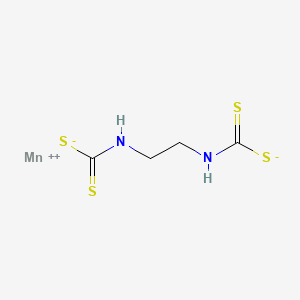
Mancozeb 80% WP
Category
Crop Protection & Pest Control
Sub-Category
Fungicides
Description : Mancozeb (CAS No: 8018-01-7) remains a foundational multi-site protectant in the global agrochemicals industry, where its dithiocarbamate structure is essential for high purity fine chemicals utilized in broad-spectrum fungal control across high-value horticulture and cereal sectors. Ethylenebisdithiocarbamato zinc manganese serves as a critical component for a reliable bulk chemical supplier, particularly as global sourcing shifts drive demand toward manufacturers capable of navigating complex regulatory compliance and providing custom synthesis services for advanced integrated pest management formulations. Dithane is increasingly integrated into CDMO growth strategies as a 98% agrochemical-grade purity stabilizer that mitigates resistance development in systemic fungicide rotations, ensuring long-term efficacy in the global API intermediates market for crop protection. As globally established Mancozeb 80% WP supplier, we ensure dependable supply, consistent quality, and complete regulatory documentation, including CoA and TDS across all grades. Beyond supply, we support partners through the entire product lifecycle from route scouting, process and formulation development, and analytical method development to scale-up, process optimisation, and pilot-to-commercial manufacturing. Our teams also assist with GMP-compliant quality assurance, regulatory documentation, and global supply chain and logistics coordination.