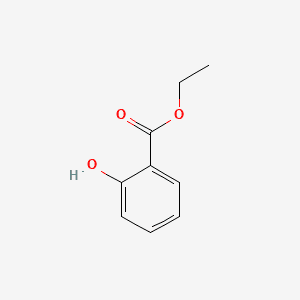
Methyl 3-Methyl Salicylate, commonly known as Methyl 3-Methyl Salicylate, is an organic compound with a sweet, balsamic fragrance. It is used in flavoring, fragrances, and as an intermediate in pharmaceutical formulations. The compound is an ester of 3-methyl salicylic acid and is commonly used in topical treatments an...
P264: Wash hands thoroughly after handling
P280: Wear protective gloves/eye protection
P305 + P351 + P338: IF IN EYES: Rinse cautiously with water for several minutes. Remove contact lenses if present and easy to do. Continue rinsing.
First Aid and Emergency Measures
Inhalation: Move to fresh air and seek medical attention if symptoms persist.
Skin Contact: Wash thoroughly with soap and water. Seek medical attention if irritation develops.
Eye Contact: Rinse with plenty of water for 15 minutes. Seek medical attention if irritation persists.
Ingestion: Do not induce vomiting. Seek medical attention immediately.
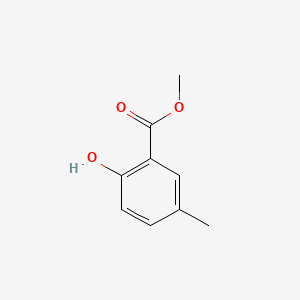
Description : Methyl 5-Methyl Salicylate, commonly known as Methyl Cresotinate, is a natural compound with a sweet, balsamic fragrance. It is used in flavoring, fragrances, and as an intermediate in pharmaceutical formulations. The compound is an ester of 5-methyl salicylic acid and is commonly used in topical treatments and perfumes.
Description : Strontium diacetate CAS 543-94-2 is increasingly sought after in the API intermediates market for the synthesis of strontium ranelate and other bone-targeting therapeutics, where we operate as a leading bulk chemical supplier providing 99% pharmaceutical-grade purity to support global CDMO growth. Acetic acid, strontium salt is a vital component in the oral care industry for desensitizing dentifrice formulations, and as the demand for high purity fine chemicals rises, we maintain a robust 98% industrial-grade purity to meet stringent regulatory compliance standards across international markets. Strontium acetate hemihydrate serves as a critical precursor for strontium titanate and advanced ceramics in the electronics sector, benefiting from our custom synthesis services and a strategic global sourcing shift toward reliable, high-specification manufacturers capable of providing comprehensive technical documentation. As globally established Strontium Acetate supplier, we ensure dependable supply, consistent quality, and complete regulatory documentation, including CoA and TDS across all grades. Beyond supply, we support partners across the entire product lifecycle, delivering expert contract manufacturing services from initial pilot plant testing through to full-scale commercial manufacturing. Our teams also assist with GMP-compliant quality assurance, regulatory documentation, and global supply chain and logistics coordination.
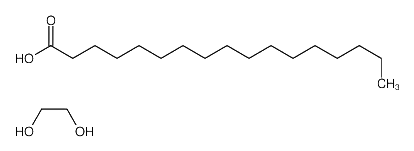
Description : Polyethylene Glycol Distearate (CAS No: 9005-08-7) serves as a high-performance non-ionic surfactant and rheology modifier that occupies a pivotal role in the global speciality chemicals landscape, primarily valued for its high Hydrophilic-Lipophilic Balance (HLB) value and superior thickening efficiency in aqueous systems. Market dynamics reflect accelerating demand across personal care, cosmetics, and industrial formulations, where it acts as an essential emulsifier and opacifier while emerging as an advanced phase-change material matrix for latent heat thermal storage applications. Commercial manufacturing leverages the direct esterification of purified polyethylene glycol with high-purity stearic acid feedstocks under controlled catalytic environments to ensure optimal diester selectivity and precise molecular weight distribution. As globally established Polyethylene Glycol Distearate supplier with high purity levels, we ensure dependable supply, consistent quality, and complete regulatory documentation being Peg-150 Distearate Supplier, including Polyethylene Glycol Distearate CoA and Polyethylene Glycol Distearate TDS across all grades. Beyond supply, we support partners through the entire product sourcing framework from scouting, process development, pilot-to-commercial manufacturing. We support procurement with region specific compliances, GMP quality assurance, regulatory documentation, global supply chain capabilities and logistics coordination
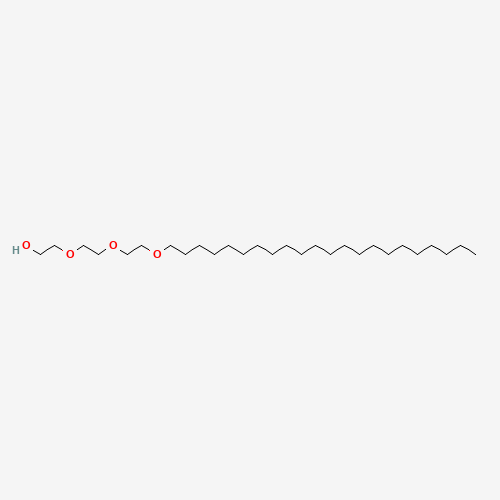
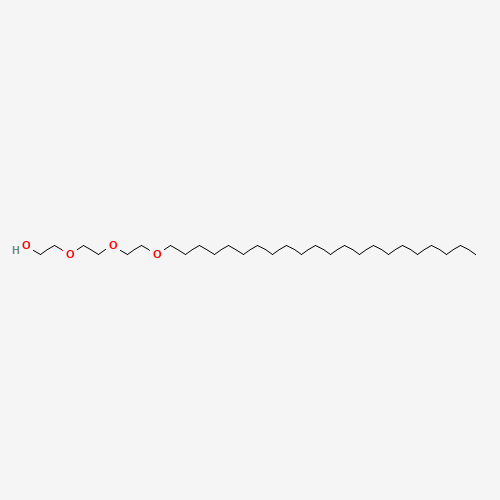
Description : Beheneth-25 (CAS No: 26636-40-8) serves as a vital non-ionic emulsifier in the cosmetics industry, requiring 98% cosmetics industry purity to stabilize complex O/W emulsions and provide the aesthetic enhancement necessary for luxury skincare formulations. Polyethylene glycol (25) docosyl ether is experiencing increased demand from the perspective of a bulk chemical supplier as the personal care sector shifts toward high purity fine chemicals that offer superior rheology modification and electrolyte resistance in surfactant-based systems. PEG-25 Behenyl Ether is frequently integrated into CDMO workflows through custom synthesis services to create advanced topical delivery systems, a trend influenced by the rigorous quality benchmarks of the API intermediates market to ensure batch reproducibility and global regulatory compliance. As globally established Beheneth-25 supplier, we ensure dependable supply, consistent quality, and complete regulatory documentation, including CoA and TDS across all grades. Beyond supply, we support partners through the entire product lifecycle from route scouting, process and formulation development, and analytical method development to scale-up, process optimisation, and pilot-to-commercial manufacturing including pharma associated oleochemicals.
Description : Beheneth-10 (CAS No: 26636-40-8) is a highly effective non-ionic surfactant and emulsifier widely utilized in the cosmetics and personal care industries to create stable oil-in-water emulsions with superior spreadability. As a polyethylene glycol ether of behenyl alcohol, it is increasingly sought after by bulk chemical distributors for its ability to enhance the viscosity and texture of high-end skincare and haircare formulations. PEG-10 Behenyl Ether is frequently specified in CDMO manufacturing protocols for its high purity and compatibility with active pharmaceutical ingredients, supporting the development of advanced topical delivery systems that require precise rheological properties. As a globally established Beheneth-10 supplier, we ensure dependable supply, consistent quality, and complete regulatory documentation, including CoA and TDS across all grades. Beyond supply, we support partners through the entire product lifecycle from route scouting, process and formulation development, and analytical method development to scale-up, process optimisation, and pilot-to-commercial manufacturing on 11 verticals.