Search through


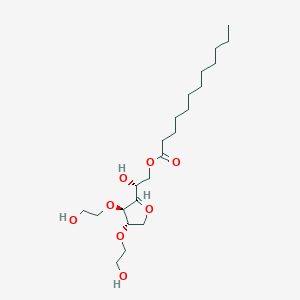
The Polysorbates (comprising 20, 40, 60, and 80) are a series of non-ionic surfactants and emulsifiers derived from ethoxylated sorbitan esterified with fatty acids. Within the Food & Nutrition, Pharmaceutical, and BPC hierarchies, peg- the industry standard for stabilising O/W emulsions. While they share a common polyoxyethylene sorbitan core, their specific fatty acid chains (Lauric, Palmitic, Stearic, or Oleic) dictate their HLB (Hydrophile-Lipophile Balance) values and specific industrial applications. Source High-Purity Polysorbates (20, 40, 60, 80) from Scimplify, your authoritative global manufacturer and wholesale supplier of non-ionic surfactants. Our Polysorbate range, including Polysorbate 80 (E-433) and Polysorbate 20 (E-432), is engineered to provide superior emulsification and solubilisation across the food, pharma, and cosmetic sectors. Our Food-Grade Polysorbates are essential for preventing fat separation in ice creams and dressings, while our Pharma-Grade (Tween type) excipients are critical for the solubilisation of hydrophobic active ingredients in parenteral and oral drug delivery. As a leading emulsifier supplier, Scimplify ensures each grade from the “lauric-based Polysorbate 20 to oleic-based Polysorbate 80” meets strict global FDA and Pharmacopoeia (EP/USP) standards. Whether you are formulating stable agrochemical emulsions or high-clarity personal care products, Scimplify delivers the precise HLB balance, COA/SDS transparency, and reliable bulk lead times required for global manufacturing

The Polysorbates (comprising 20, 40, 60, and 80) are a series of non-ionic surfactants and emulsifiers derived from ethoxylated sorbitan esterified with fatty acids. Within the Food & Nutrition, Pharmaceutical, and BPC hierarchies, peg- the industry standard for stabilising O/W emulsions. While they share a common polyoxyethylene sorbitan core, their specific fatty acid chains (Lauric, Palmitic, Stearic, or Oleic) dictate their HLB (Hydrophile-Lipophile Balance) values and specific industrial applications. Source High-Purity Polysorbates (20, 40, 60, 80) from Scimplify, your authoritative global manufacturer and wholesale supplier of non-ionic surfactants. Our Polysorbate range, including Po...

.3d8f8f41.svg)
Pharmaceutical, Oleochemicals
.3556d45a.svg)

Excipients, Surfactants


Non-ionic Ethoxylates, Emulsifiers & Stabilizers
.7767eb0f.png)

Chemical Properties & Specifications
Provides a creamy texture in frozen desserts and to prevent "bloom" in chocolates. Polysorbate 60 is specifically favored in bakery products for dough strengthening, while Polysorbate 80 is the standard for milk and cream substitutes
Formulation of vaccines and injectable drugs to keep proteins and active ingredients in solution. Prevents the adsorption of drugs to the surfaces of glass or plastic containers
Solubilizers to incorporate essential oils and fragrances into water-based products like body washes and toners without clouding. Facilitates the easy rinse-off of oil-based cleansers.
Polysorbate 20 is significantly milder than the others. Its short C12 chain allows it to emulsify oils without stripping the natural lipids from the skin or irritating the ocular mucosa (the eyes). It is the preferred non-ionic surfactant for "baby-safe" and "sensitive-skin" cleansing products.
Generally, no. Because Polysorbate 20 has a higher HLB (16.7), it is "too hydrophilic" for many heavy fat emulsions like ice cream (where Polysorbate 80, HLB 15.0, is king). However, for beverage emulsions (flavor oils in water), Polysorbate 20 can often perform as a high-quality alternative.
Polysorbate 20 is more prone to producing trace amounts of peroxides over time if stored improperly. For sensitive pharmaceutical use, we provide "Ultra-Pure" low-peroxide grades of Polysorbate 20 to ensure your active ingredients (APIs) don't degrade during their 2-year shelf life.
Yes, like all ethoxylated surfactants, its solubility decreases as temperature rises. However, the Palmitic chain in Polysorbate 40 offers a very stable emulsion in the 25°C to 40°C range, making it ideal for products that need to remain stable in tropical climates.
Polysorbate 60 has the highest titer and can become very viscous or semi-solid at temperatures below 20°C. Polysorbate 20 and 80 remain liquid at lower temperatures. If solidification occurs, gentle warming to 40°C will restore the liquid state without damaging the product.