Search through


The Polysorbates (comprising 20, 40, 60, and 80) are a series of non-ionic surfactants and emulsifiers derived from ethoxylated sorbitan esterified with fatty acids. Within the Food & Nutrition, Pharmaceutical, and BPC hierarchies, peg- the industry standard for stabilising O/W emulsions. While they share a common polyoxyethylene sorbitan core, their specific fatty acid chains (Lauric, Palmitic, Stearic, or Oleic) dictate their HLB (Hydrophile-Lipophile Balance) values and specific industrial applications. Source High-Purity Polysorbates (20, 40, 60, 80) from Scimplify, your authoritative global manufacturer and wholesale supplier of non-ionic surfactants. Polysorbate 20 has the shortest fatty acid chain (C12) and the highest HLB value (16.7). Polysorbate 40 uses a C16 chain. It is less common than 20 or 80 but is a vital "bridge" emulsifier in high-performance coatings and specialised medicine. Our Polysorbate range, including Polysorbate 80 (E-433) and Polysorbate 20 (E-432), is engineered to provide superior emulsification and solubilisation across the food, pharma, and cosmetic sectors. Our Food-Grade Polysorbates are essential for preventing fat separation in ice creams and dressings, while our Pharma-Grade (Tween type) excipients are critical for the solubilisation of hydrophobic active ingredients in parenteral and oral drug delivery. As a leading emulsifier supplier, Scimplify ensures each grade from the “lauric-based Polysorbate 20 to oleic-based Polysorbate 80” meets strict global FDA and Pharmacopoeia (EP/USP) standards. Whether you are formulating stable agrochemical emulsions or high-clarity personal care products, Scimplify delivers the precise HLB balance, COA/SDS transparency, and reliable bulk lead times required for global manufacturing
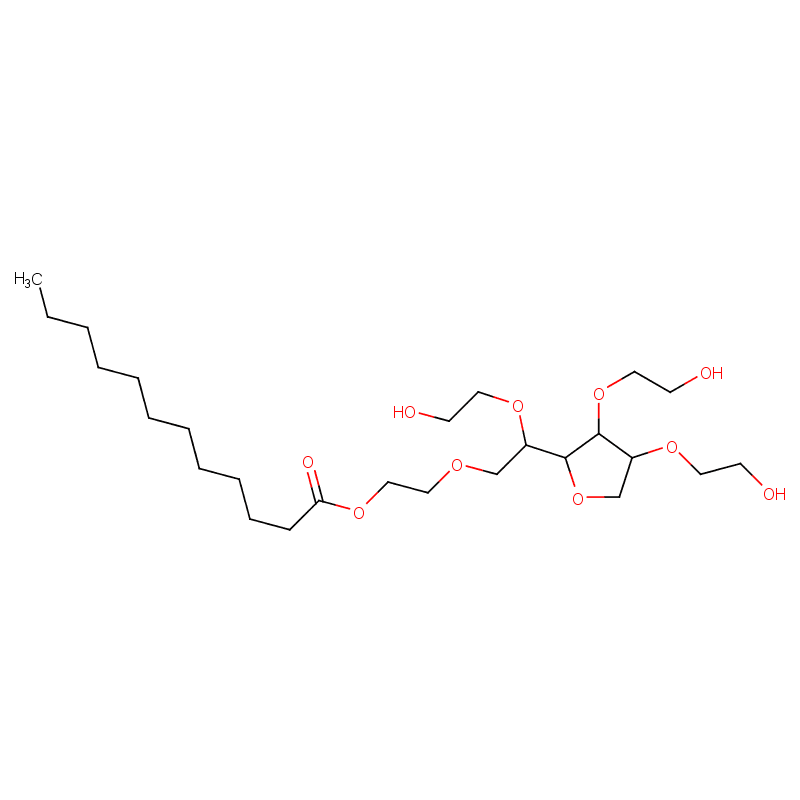
The Polysorbates (comprising 20, 40, 60, and 80) are a series of non-ionic surfactants and emulsifiers derived from ethoxylated sorbitan esterified with fatty acids. Within the Food & Nutrition, Pharmaceutical, and BPC hierarchies, peg- the industry standard for stabilising O/W emulsions. While they share a common polyoxyethylene sorbitan core, their specific fatty acid chains (Lauric, Palmitic, Stearic, or Oleic) dictate their HLB (Hydrophile-Lipophile Balance) values and specific industrial applications. Source High-Purity Polysorbates (20, 40, 60, 80) from Scimplify, your authoritative global manufacturer and wholesale supplier of non-ionic surfactants. Polysorbate 20 has the shortest fat...

.3d8f8f41.svg)
Oleochemicals
.3556d45a.svg)

Surfactants


Non-ionic Ethoxylates
.7767eb0f.png)

Chemical Properties & Specifications
"Gold Standard" for stabilizing proteins and monoclonal antibodies in parenteral (injectable) drugs. Prevents protein aggregation and prevents the drug from sticking to the surface of glass vials
Powerful solubilizer, incorporates essential oils and perfumes into water-based products (like micellar water, toners, and body mists) while keeping the liquid perfectly crystal clear
Primary component in "PBST" buffers. Washing agent in immunoassay plates to remove non-specific binding without disrupting the actual antibody-antigen bond.
Stable under normal conditions. May undergo autoxidation if exposed to light or air for extended periods, leading to peroxide formation.
Store in a cool, dry place (15°C to 25°C). Keep containers tightly closed. Use amber glass or opaque HDPE to protect from light.
Non-hazardous for transport. Available in 200kg drums, and 1000kg IBCs.
Selection depends on your oil phase. Polysorbate 20 (Lauric base) has a higher HLB (16.7) and is ideal for solubilizing lighter essential oils and fragrances. Polysorbate 80 (Oleic base, HLB 15.0) is better suited for emulsifying heavier vegetable oils and fats in food systems like ice cream.
Yes. We provide specialized Multi-Compendial Grades for our pharmaceutical partners. Every batch of Polysorbate 80 and 20 undergoes rigorous testing for residual ethylene oxide, dioxane, and peroxide values to ensure safety in injectable and oral applications.
Polysorbates are non-ionic and generally have a low-foaming profile themselves. However, they act as excellent co-surfactants, stabilizing the foam generated by anionics (like SLS) while providing a "fresher" and more transparent appearance to the final product.
Polysorbate 60 has the highest titer and can become very viscous or semi-solid at temperatures below 20°C. Polysorbate 20 and 80 remain liquid at lower temperatures. If solidification occurs, gentle warming to 40°C will restore the liquid state without damaging the product.
Sorbitan, monolaurate, polyoxyethylene derivs. (8CI), Ahco 7596T, Alkamuls PSML 20, Alkamuls PSML 80/72, Alkamuls T 20, Alkamuls TS 20, Alkest TW 20, Anapoe 20, Armotan PML 20, Atlas G 4280, Atlas G 7596J, Atlas G 7596P, Atmer 110, Bartensid SML 20, Canarcel TW 20, Coulter Dispersant IB, Cremophor PS 20, Crillet 1, Crillet 1HP, D 941, Disponil SML 120, Disponil SML 20, E 432, Emasol 1112, Emasol L 120V, Emasol L 130, Emsorb 6915, Ercasorb 2020, Ethoxylated sorbitan monolaurate, Ethsorbox L 20, Ethylene oxide-sorbitan monolaurate adduct, Ethylene oxide-sorbitan monolaurate polymer, Eumulgin SML 15, Eumulgin SML 20, G 1020, G 4280, G 7596J, G 7606J, GL 1, GL 1 (carbohydrate), Glycosperse L 20K, Glytanox 1001, Hipom UV 330, Ionet T 20C, Kaopan TW-L 120, Kemotan T 20, Kolliphor PS 20, Lamesorb SML 20, Liposorb L 20, LT 221