Search through


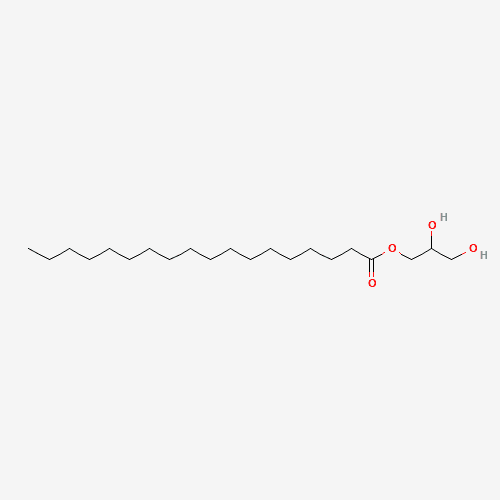
Glyceryl Monostearate (CAS 123-94-4 or 31566-31-1), commonly known as GMS, is one of the most universally used oleochemical emulsifiers in the world. Within the Food & Nutrition, Beauty & Personal Care, and Pharmaceutical hierarchies, a foundational "Bodying Agent". GMS exists in two primary functional forms: Standard GMS (which requires co-emulsifiers) and Self-Emulsifying (SE) GMS, which contains added soap or surfactants to allow it to form stable emulsions on its own. Source High-Performance Glyceryl Monostearate (GMS 40 / GMS 90) and GMS Self-Emulsifying (SE) grades from Scimplify, your authoritative global manufacturer of glycerol esters. Our GMS range is a premium vegetable-derived lipid engineered to provide superior texture, stability, and mouthfeel in food, cosmetic, and pharmaceutical formulations. As an authoritative GMS supplier, we ensure our material meets global regulatory standards for sustainable palm sourcing. Our SE Grades are specifically designed for ease of use, incorporating a small percentage of potassium or sodium stearate to enable spontaneous emulsification in water. Whether you are formulating non-dairy creamers, rich cosmetic lotions, or sustained-release tablets, Scimplify delivers the chemical consistency, international SDS/COA transparency, and reliable bulk logistics required for global manufacturing
Glyceryl Monostearate (CAS 123-94-4 or 31566-31-1), commonly known as GMS, is one of the most universally used oleochemical emulsifiers in the world. Within the Food & Nutrition, Beauty & Personal Care, and Pharmaceutical hierarchies, a foundational "Bodying Agent". GMS exists in two primary functional forms: Standard GMS (which requires co-emulsifiers) and Self-Emulsifying (SE) GMS, which contains added soap or surfactants to allow it to form stable emulsions on its own. Source High-Performance Glyceryl Monostearate (GMS 40 / GMS 90) and GMS Self-Emulsifying (SE) grades from Scimplify, your authoritative global manufacturer of glycerol esters. Our GMS range is a premium vegetable-derived li...

.3d8f8f41.svg)
Oleochemicals
.3556d45a.svg)

Glycerides & Esters


Fatty Monoglycerides & Blends
.7767eb0f.png)

Chemical Properties & Specifications
GMS 90 (Distilled Monoglyceride) is essential in the baking industry. It forms a complex with the amylose in starch, preventing it from recrystallizing (retrogradation), which significantly slows down the staling of bread and improves the crumb structure
GMS 40 SE is the "workhorse" of the cosmetic industry. Acts as a primary O/W emulsifier and thickening agent, giving lotions a "pearly" appearance and a smooth, non-greasy spreadability. Ensures that the oil and water phases remain perfectly blended under varying temperatures
Production of Polyethylene (PE) and Polypropylene (PP) films, GMS is used as an internal antistatic agent. Migrates to the surface of the plastic, forming a thin layer that attracts moisture, which dissipates static charges and prevents films from sticking
Highly stable. However, high-mono grades (GMS 90) are more prone to caking in humid environments.
Store in a cool, dry place (below 30°C). Keep away from direct sunlight. SE grades should be kept strictly dry to prevent the activation of the self-emulsifying salts.
Standard GMS is lipophilic and won't disperse in water without help. GMS SE (Self-Emulsifying) contains a small amount of a surfactant (like Potassium Stearate). This allows the GMS SE to thicken and emulsify a water-base by itself, simplifying your formulation process.
If you are in the Food industry (Baking or Ice Cream), GMS 90 is preferred because its high monoglyceride content provides much stronger starch interaction and aeration. For Cosmetics, GMS 40 is often sufficient and more cost-effective for simple thickening and opacifying.
GMS 90 has a slightly higher melting point (approx. 65°C to 70°C) compared to GMS 40 (approx. 58°C to 62°C). Ensure your oil phase is heated at least 5-10 degrees above the melting point for complete dissolution.