Search through


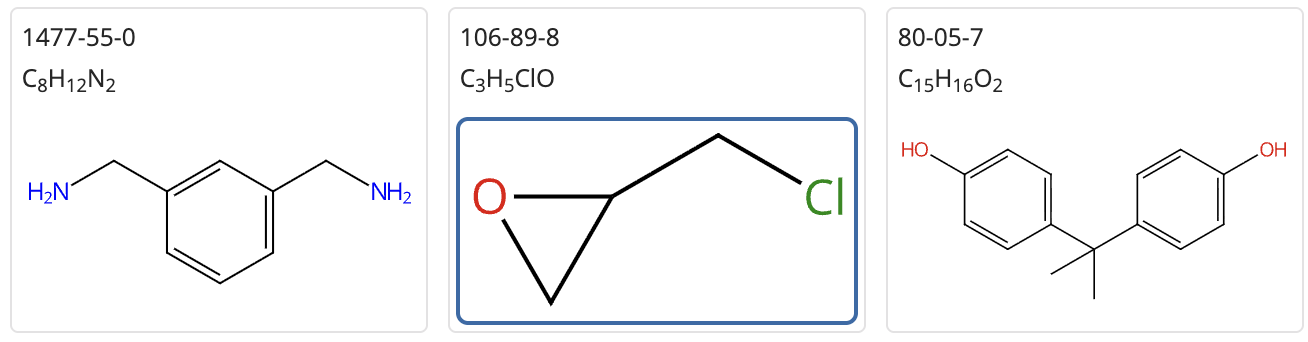
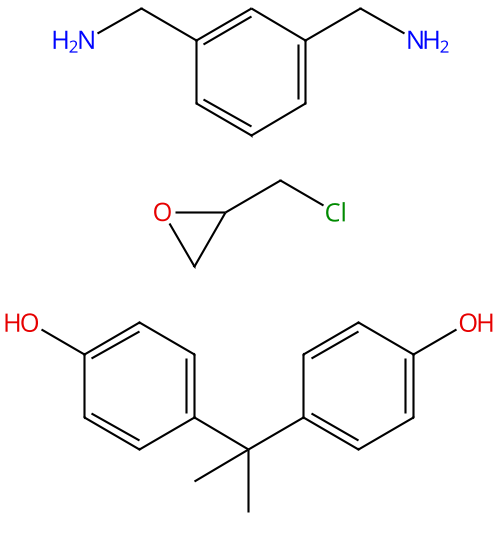
Epoxy Resin portfolio encompasses a multirange of molecular weights and modifications, from low-viscosity liquid resins for rapid processing to high-molecular-weight solid resins for powder coatings. Liquid Epoxy Resins: modified with AGE (Aliphatic Glycidyl Ether) or PGE (Phenyl Glycidyl Ether), are designed for 100% solids systems where superior surface wetting and de-aeration are critical. For solvent-borne or anti-corrosive applications, our Solution Resins (modified with Cardanol or solvents like Xylene) provide optimised viscosity for spray application. Solid Epoxy Resins: Heat-cured systems, offering excellent mechanical toughness and impact resistance. We are an established Epoxy Resin supplier providing a comprehensive range of liquid, solid, and modified resin specifications, ensuring optimised EEW (Epoxy Equivalent Weight) and viscosity profiles for diverse industrial processing. We provide a broad range of high-performance binders with comprehensive technical (Viscosity/Color/Solid Content) and supporting quality assurance documentation (COA/TDS/SDS), detailed impurity mapping, and global regulatory support (REACH). We ensure reliable lead times from pilot-batch evaluation through to 10MT+ commercial-scale industrial supply, enabling partners to meet the rigorous demands of global infrastructure and manufacturing.
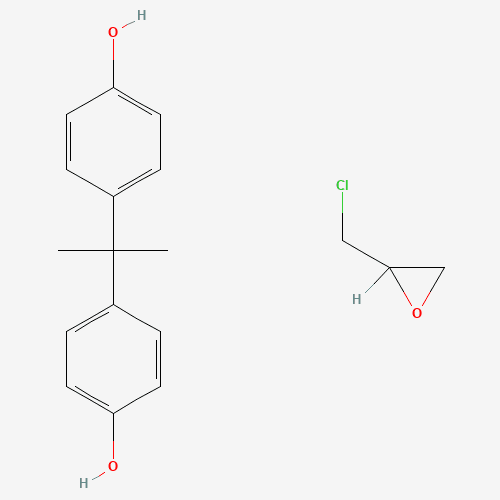
Epoxy Resin portfolio encompasses a multirange of molecular weights and modifications, from low-viscosity liquid resins for rapid processing to high-molecular-weight solid resins for powder coatings. Liquid Epoxy Resins: modified with AGE (Aliphatic Glycidyl Ether) or PGE (Phenyl Glycidyl Ether), are designed for 100% solids systems where superior surface wetting and de-aeration are critical. For solvent-borne or anti-corrosive applications, our Solution Resins (modified with Cardanol or solvents like Xylene) provide optimised viscosity for spray application. Solid Epoxy Resins: Heat-cured systems, offering excellent mechanical toughness and impact resistance. We are an established Epoxy Res...

.3d8f8f41.svg)
Industrial Chemicals
.3556d45a.svg)

Industrial Polymers


Reactive Epoxy Binders & Diluents
.7767eb0f.png)

Chemical Properties & Specifications
Binder for heavy-duty anti-corrosive primers and topcoats designed for ships, pipelines, and offshore structures
Self-leveling floors, high-strength grouts, and concrete repair systems in warehouses and pharmaceutical facilities
Potting, encapsulation, and casting of electrical components where high dielectric strength and thermal stability are required
Matrix material for fibre-reinforced plastics (FRP) used in aerospace, automotive, and wind energy applications.
Structural bonding in construction and assembly, offering high shear strength and environmental durability
EEW is the scientific measure of reactive sites in the resin. It dictates the exact amount of hardener (activator) required for a stoichiometric cure. If the EEW fluctuates outside our tight specifications (e.g., 180–190), your formulation will either be too brittle or too soft. By providing resins with a locked EEW range, we eliminate the need for your R&D team to recalibrate every batch, saving significant labor and testing costs.
These represent reactive diluents. AGE (Aliphatic Glycidyl Ether) is the gold standard for reducing viscosity without losing flexibility, ideal for self-leveling floors. PGE (Phenyl Glycidyl Ether) is utilized where chemical resistance is the priority. Identifying these modifications allows formulators to select the precise balance of "flow" versus "durability," ensuring the end-product meets high-traffic industrial standards.
Our Water-Borne (CAS 25068-38-6 Emulsion) and Cardanol-modified grades have specific VOC (Volatile Organic Compound) identifiers. These markers are essential for procurement teams targeting sustainable construction projects. We provide the necessary documentation to support low-emission and bio-content claims, ensuring your products qualify for premium environmental contracts.
AGE (Aliphatic Glycidyl Ether) modification (7249) provides superior wetting and lower viscosity, allowing for higher filler loading. PGE (Phenyl Glycidyl Ether) modification (7257) offers better chemical resistance but slightly higher viscosity. By selecting the correct modification, formulators can optimize the Binder-to-Filler ratio, reducing the cost per square meter without compromising the structural integrity of the floor.
Cardanol is a bio-based phenalkamine derivative that provides excellent hydrophobicity and flexibility. In marine primers, it improves adhesion to damp or poorly prepared steel surfaces. This technical competency reduces the risk of "delamination" and cathodic disbondment, significantly lowering the maintenance costs for ship owners and offshore infrastructure.
Yes. Our Solid Epoxy Resins are designed specifically for 100% solids powder systems. They offer a stable EEW and a precise glass transition temperature ($T_g$), ensuring excellent flow and leveling during the bake cycle. We provide scientists with DSC (Differential Scanning Calorimetry) data to assist in optimizing the curing profile with various hardeners.
We bridge the gap between technical specification and global compliance. We provide batch-specific epoxy resin COA/TDS/SDS and detailed EEW and Viscosity profiling. This data is critical for Sourcing Managers and Consultants who must comply with international standards like ISO 12944 for corrosion protection, ensuring your supply chain is fully de-risked for global deployments.
We maintain a robust production cycle for our core Dropoxy series. For a commercial volume of 5MT, our standard lead time is 7–8 Weeks. Packaging: Liquid grades are supplied in 200 Kg MS Drums or 1,000L IBCs. Solid resins are available in 25 Kg paper bags. Logistics: Offered on an Ex-Works basis from our regional manufacturing hubs, ensuring optimized transit for both domestic and international projects.
From a procurement and formulation standpoint, Polyols and Epoxies are never interchangeable. A buyer looking for Polyether Polyols is usually manufacturing foams or coatings via the Urethane pathway. By correctly identifying these as Reactive Epoxy Binders, you capture the specific intent of customers looking for cross-linking high-adhesion systems for flooring, composites, and anti-corrosive primers.
CAS 25068-38-6 covers Liquid Epoxy Resins (LER), which often require specific marine pollutant labeling for international shipping. CAS 25036-25-3 covers Solid Epoxy Resins (SER), which have different handling protocols. Correct identification at the point of procurement ensures that the "Total Cost of Quality" includes accurate freight insurance and environmental compliance at customs.
We bridge the gap between heavy-duty performance and environmental safety. For our 100% solids Liquid Resins (like 7249 grade), we provide detailed Gas Chromatography (GC) data proving the absence of volatile solvents. This allows Sourcing Managers to confidently supply binders for indoor flooring projects in schools, hospitals, and food plants that must meet strict VOC emission standards.