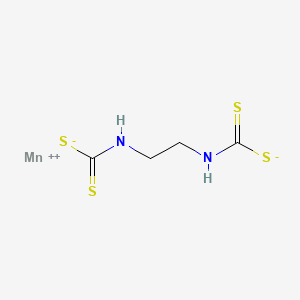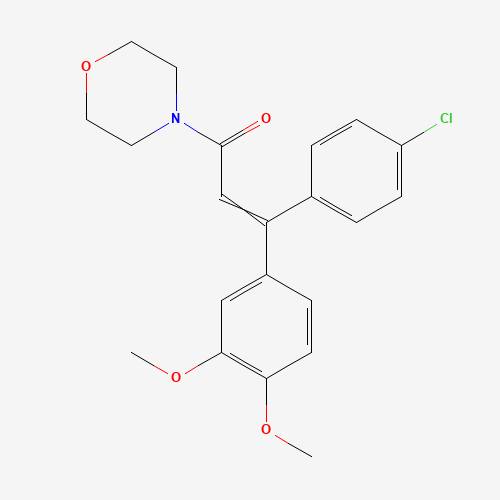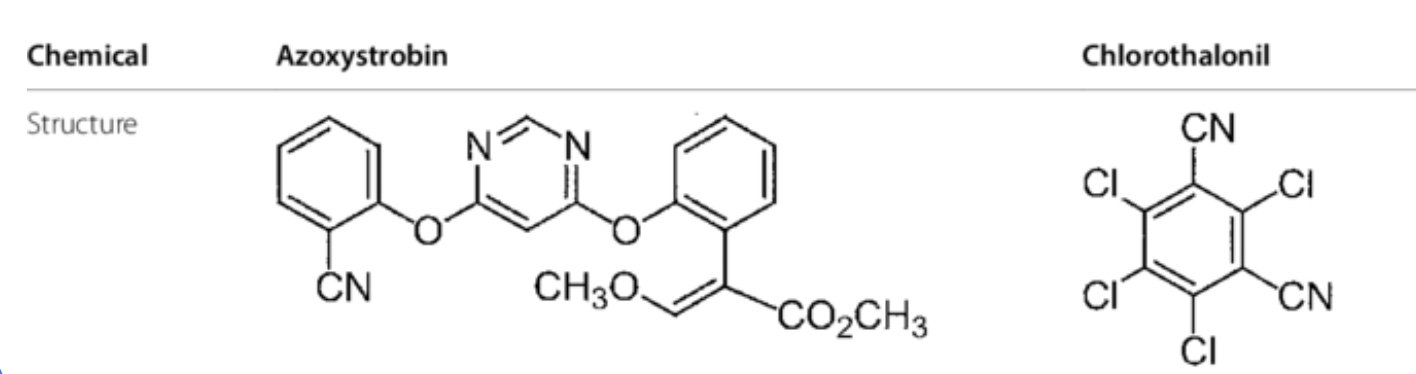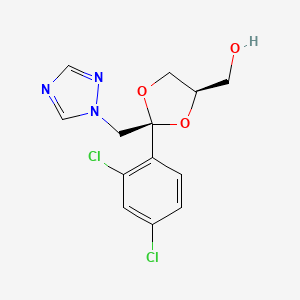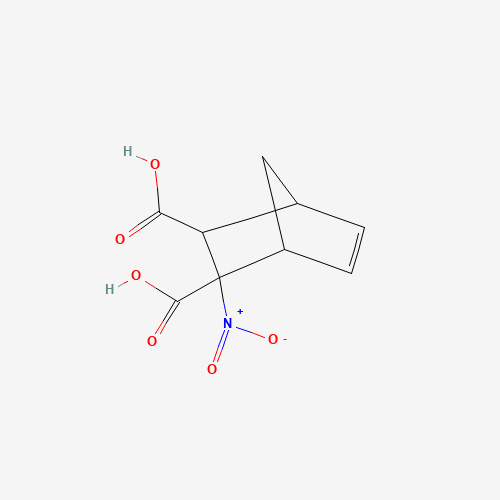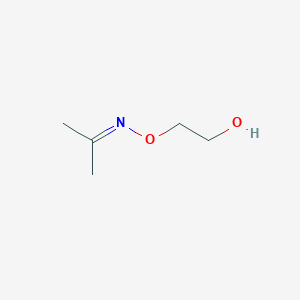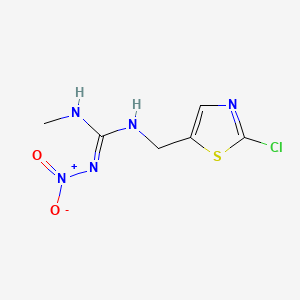
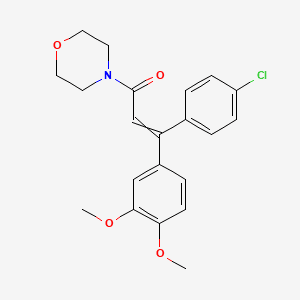

Dimethomorph technical is the foundational active ingredient used in the formulation of high-efficacy systemic crop protection fungicide. This fungicide is critical for crop protection strategies aimed at mitigating the significant economic damage caused by virulent oomycete pathogens globally. Dimethomorph producers are making this to have distinct mode of action essential for resistance management protocols in commercial agriculture. Dimethomorph is categorised by the FRAC (Fungicide Resistance Action Committee) as Group 40, denoting its unique mechanism: the inhibition of fungal cell wall formation. Specifically, it interferes with the biosynthesis of cellulose and glucans in the fungal cell wall, leading to irreversible morphological changes, lysis, and death of the pathogen. A primary target point for Dimethomorph formulators & Dimethomorph distributors is dimethomorph's unique fungicidal mechanism, which offers no cross-resistance to phenylamides or strobilurins. Highly suitable for mandated rotations or co-formulations with broad-spectrum contact fungicides (e.g., Mancozeb), it becomes a cornerstone of sustainable disease management programs, extending the effective life of entire product portfolios. This ensures a consistent return on investment for crop protection requirements by securing yield and crop quality crucial for formulation manufacturers (B2B) producing end-use crop protection products. Supplied as a technical-grade solid, it is the raw material used to produce Dimethomorph formulations & often co-formulated with broad-spectrum fungicides like Mancozeb or Chlorothalonil for anti-resistance management. We are the leading Dimethomorph technical worldwide, ensuring comprehensive regulatory support & CoA traceability for various grades with global supply capability with reliable lead time.

Dimethomorph technical is the foundational active ingredient used in the formulation of high-efficacy systemic crop protection fungicide. This fungicide is critical for crop protection strategies aimed at mitigating the significant economic damage caused by virulent oomycete pathogens globally. Dimethomorph producers are making this to have distinct mode of action essential for resistance management protocols in commercial agriculture. Dimethomorph is categorised by the FRAC (Fungicide Resistance Action Committee) as Group 40, denoting its unique mechanism: the inhibition of fungal cell wall formation. Specifically, it interferes with the biosynthesis of cellulose and glucans in the fungal cell wall, leading to irreversible morphological changes, lysis, and death of the pathogen. A primary target point for Dimethomorph formulators & Dimethomorph distributors is dimethomorph's unique fungicidal mechanism, which offers no cross-resistance to phenylamides or strobilurins. Highly suitable for mandated rotations or co-formulations with broad-spectrum contact fungicides (e.g., Mancozeb), it becomes a cornerstone of sustainable disease management programs, extending the effective life of entire product portfolios. This ensures a consistent return on investment for crop protection requirements by securing yield and crop quality crucial for formulation manufacturers (B2B) producing end-use crop protection products. Supplied as a technical-grade solid, it is the raw material used to produce Dimethomorph formulations & often co-formulated with broad-spectrum fungicides like Mancozeb or Chlorothalonil for anti-resistance management. We are the leading Dimethomorph technical worldwide, ensuring comprehensive regulatory support & CoA traceability for various grades with global supply capability with reliable lead time.
Agrochemicals
Crop Protection & Pest Control
Fungicides

Chemical Properties & Specifications
H360F: Reproductive toxicity
H411: Hazardous to the aquatic environment, long-term hazard
P203, P273, P280, P318, P391, P405, and P501
R51/53
Highly effective against Phytophthora infestans, the causal agent of late blight, a highly destructive disease (Potatoes, Tomatoes)
Essential for managing Plasmopara viticola, the downy mildew pathogen, which can devastate grape yields (Grape Vines)
Used in integrated programs to control Pseudoperonospora cubensis (downy mildew), (Cucumbers, Melons)
Grape Downy Mildew, Potato Late Blight, Phytophthora spp. Control, Vegetable Fungicide, Metalaxyl Resistance Breaker
Indispensable in controlling Phytophthora infestans, the causative agent of Late Blight in potatoes (a key worldwide application) and tomatoes
Highly effective against the Downy Mildews (Peronosporaceae family) affecting
• Grapevines (Plasmopara viticola)
• Cucurbits (cucumbers, melons, squashes)
• Bulb Vegetables (onions, leeks)
Used as a soil drench or drip irrigation treatment to control Phytophthora species causing root rot and crown rot in ornamentals and various fruit crops
Exhibits translaminar activity (penetrates the leaf surface) and is locally systemic (moves upward in the stem to new growth), providing rainfast protection quickly after application
Unique mode of action means it exhibits no cross-resistance to traditional phenylamide fungicides (like Metalaxyl), making it a cornerstone for rotational spray programs to maintain the efficacy of other fungicide groups
Cool, Dry Storage is Mandatory: Store below 30°C (86°F). High temperatures can accelerate chemical degradation and compromise the E/Z isomer ratio
Store in a tightly closed, original container. Protect from direct sunlight and moisture. The powder is prone to caking if exposed to high humidity, affecting WG/WP formulation quality
Must be strictly segregated from Strong Bases/Alkaline Materials (e.g., Lime, Caustic Soda). Dimethomorph is highly susceptible to hydrolysis in alkaline media, leading to rapid loss of efficacy