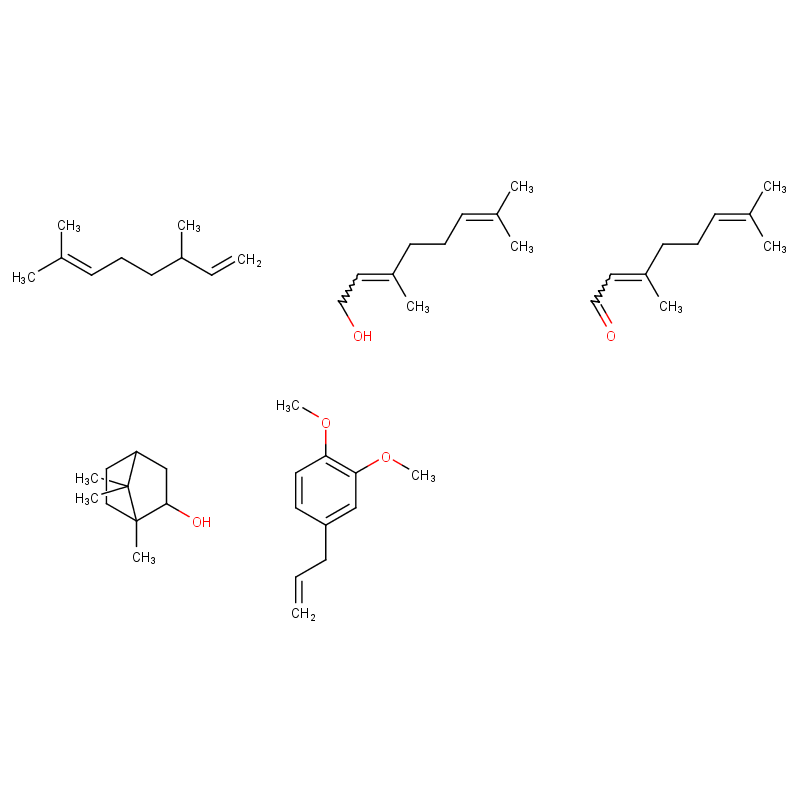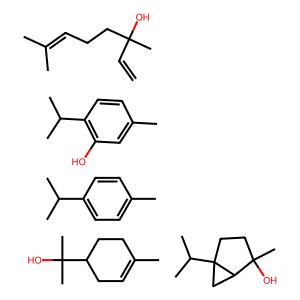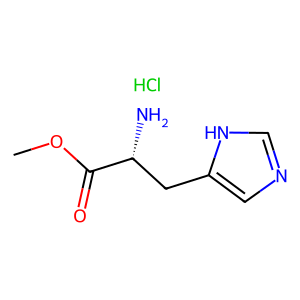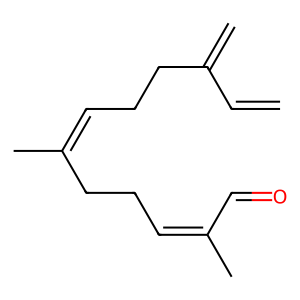

Anethum graveolens seed oil (CAS 8006-75-5) is witnessing a strategic surge in the API intermediates market as a critical bioactive precursor, particularly for synthesizing novel antispasmodic and antimicrobial agents where CDMOs demand high purity fine chemicals (Pharma/API purity 99% | General Industry purity 98%) to...
Dill Oil Specifications
CAS Number
8006-75-5
Molecular Weight
Dill oil is a complex mixture of various chemical compounds rather than a single molecule, and therefore it does not have a unique molecular weight. Its primary constituents include carvone (150.22 g/mol), limonene (136.23 g/mol), phellandrene (136.23 g/mol), and dill ether (152.23 g/mol).
IUPAC Name
Not Available
Canonical SMILES
CC1=CCC(CC1=O)C(=C)C
InChI Key
LIKYNOPXHGPMIH-UHFFFAOYSA-N
InChI
Strings are not assigned to essential oils like dill oil -complex mixtures of multiple chemical compounds rather than discrete molecular structures
EINECS Number
289-790-8
MDL Number
MFCD00240704
HSN No
33012923
CAS Number
8006-75-5
Molecular Weight
Dill oil is a complex mixture of various chemical compounds rather than a single molecule, and therefore it does not have a unique molecular weight. Its primary constituents include carvone (150.22 g/mol), limonene (136.23 g/mol), phellandrene (136.23 g/mol), and dill ether (152.23 g/mol).
IUPAC Name
Not Available
Canonical SMILES
CC1=CCC(CC1=O)C(=C)C
InChI Key
LIKYNOPXHGPMIH-UHFFFAOYSA-N
InChI
Strings are not assigned to essential oils like dill oil -complex mixtures of multiple chemical compounds rather than discrete molecular structures
EINECS Number
289-790-8
MDL Number
MFCD00240704
HSN No
33012923
Molecular Weight
Dill oil is a complex mixture of various chemical compounds rather than a single molecule, and therefore it does not have a unique molecular weight. Its primary constituents include carvone (150.22 g/mol), limonene (136.23 g/mol), phellandrene (136.23 g/mol), and dill ether (152.23 g/mol).
A concentrated botanical extract used in the food and beverage industry to provide a fresh, herbaceous, and slightly sweet profile to soups, salads, sauces, fish dishes, and pickles
Pharmaceutical Intermediate
A therapeutic-grade essential oil utilized as a carminative and antispasmodic in the formulation of traditional medicines for treating digestive disorders, flatulence, and infant colic
Fragrance Component
A versatile aromatic ingredient employed in the manufacturing of soaps, perfumes, and lotions to provide a fresh, spicy, and herbaceous top note
Antimicrobial Agent
A natural bio-active compound used in the development of eco-friendly antifungal and antibacterial formulations for food preservation and specialized skincare applications.