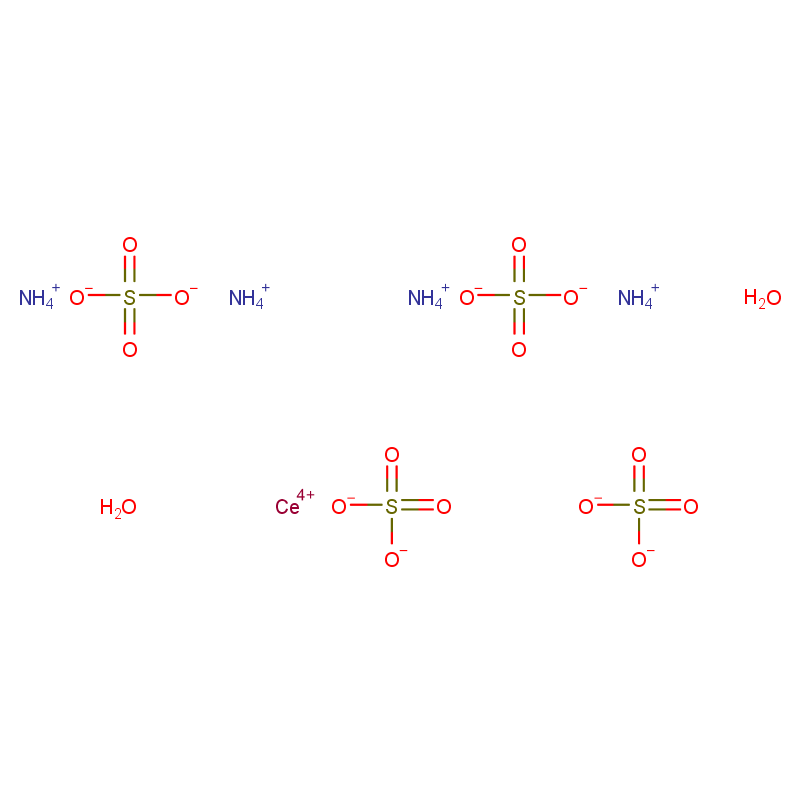


Ceric Ammonium Nitrate (CAN, CAS 16774-21-3) (RRe) is a vibrant orange-red crystalline solid, recognized as one of the most powerful and versatile oxidizers used in chemistry particularly. Cerium Ammonium Nitrate serves as a selective & efficient one-electron transfer agent due to the stable Cerium(IV) ion. The compound is universally known for its use as a Cerium IV oxidation agent in synthesis, particularly in the oxidation of hydroquinones and alcohols. Also an indispensable analytical standard for the detection of alcohols and phenols in organic spot testing, and as a strong oxidizing agent in the Volumetric Solution (0.1M) form. Due to the high purity demands in electronics, Electronic Grade CAN is critical as a precursor for depositing Cerium thin films. We are a leading & trusted CERIC AMMONIUM SULFATE supplier worldwide, offering high-purity Cerium Ammonium Nitrate and many RRes that meets quality and safety standards, with reliable lead times and global supply capability.

Ceric Ammonium Nitrate (CAN, CAS 16774-21-3) (RRe) is a vibrant orange-red crystalline solid, recognized as one of the most powerful and versatile oxidizers used in chemistry particularly. Cerium Ammonium Nitrate serves as a selective & efficient one-electron transfer agent due to the stable Cerium(IV) ion. The compound is universally known for its use as a Cerium IV oxidation agent in synthesis, particularly in the oxidation of hydroquinones and alcohols. Also an indispensable analytical standard for the detection of alcohols and phenols in organic spot testing, and as a strong oxidizing agent in the Volumetric Solution (0.1M) form. Due to the high purity demands in electronics, Electronic ...

Chemical Properties & Specifications
GHS03, GHS05, GHS07, GHS09
R22;R36/37/38;R41;R8
S17;S26;S37/39
H272-H290-H302-H314-H317-H410
P210-P220-P260-P280-P305 + P351 + P338-P370 + P378
P210, P220, P221, P271, P280, P302+P352, P305+P351+P338, and P310
Ox. Sol. 2
Met. Corr. 1
High-purity Electronic Grade CAN is used in Chemical Vapor Deposition (CVD) and Atomic Layer Deposition (ALD) processes as a Cerium precursor for thin film and specialized coating applications
Used in some specialized coatings as a highly reactive Cerium source for self-healing anti-corrosion applications on Aluminum alloys.
Preferred versatile oxidant for functionalizing organic molecules, notably for the oxidation of activated benzene rings and the cleavage of ethers
Standard solution for redox titrations and as a qualitative test reagent for alcohols and phenols.
A powerful one-electron oxidant used in organic synthesis for the conversion of alcohols to carbonyl compounds and the oxidation of benzylic C-H bonds
A component of chrome etchant used in the microelectronics industry for the production of photomasks and liquid crystal displays
An initiator for the polymerization of monomers like acrylonitrile and styrene in the polymer industry
A standard oxidant used in quantitative analysis and redox titrations for determining metal ions
A catalyst used in the synthesis of quinoxaline derivatives and for the aerobic oxidation of benzylic and allylic alcohols
A reagent used to release organic ligands from metal carbonyls and to cleave para-methoxybenzyl protecting groups
0-6°C
Ambient temperature
Oxidizer - contact with combustible material may cause fire
Incompatible with strong reducing agents-Combustible material
CAN is highly effective because it is soluble in a wider range of organic solvents (such as Acetonitrile) compared to the sulphate counterpart, allowing for cleaner, faster, and more selective homogeneous reactions, which is a key requirement for modern organic chemistry.
CAN is a strong oxidizing agent (due to Ce(IV)) and a nitrate compound. Must be ransported under strict guidelines as an oxidizing solid (UN 1479). Must be kept completely separate from organic materials, reducing agents, and flammable substances to prevent fire or explosion.
No. For cutting-edge Electronic Grade ALD applications, the required purity often reaches 5N (99.999%) or 6N. Trace metal impurities, especially other REEs, must be minimized as they drastically affect the electrical properties of the deposited thin films.
Demand for Electronic Grade CAN is driven by the rapid growth of the advanced display and semiconductor industries. CAN is a high-value derivative that is purified specifically to serve as a low-cost, high-purity Cerium source in specialized manufacturing processes.
CAN is not a true primary standard due to potential slight water absorption, the 0.1M solution must be standardized against a known primary standard, typically Arsenic Trioxide or a standard Ferrous salt, before use in precise analytical work.
hey serve different markets. CAN is favored for organic synthesis and electronics due to the solubility of the nitrate salt. The Sulphate (10378-47-9) is strictly preferred in classical aqueous redox titrations where the presence of sulphate is less interfering than nitrate.
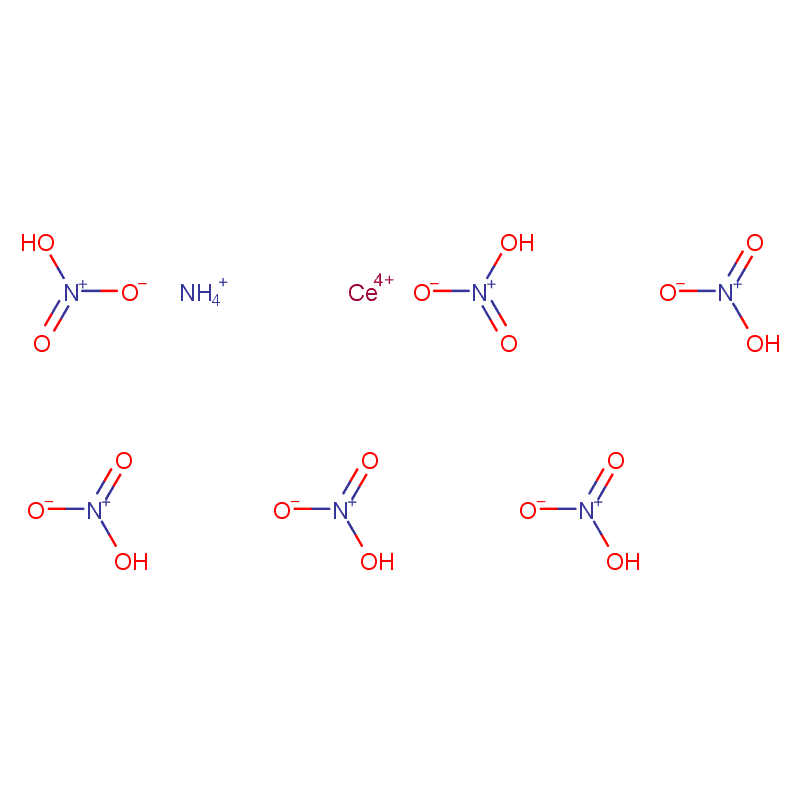
Cerium Ammonium Nitrate (CAN) is an orange-red, water-soluble inorganic compound with the formula (NH4)2[Ce(NO3)6], primarily used as a powerful oxidizing agent in organic synthesis, a catalyst for polymerization, and a component in chrome etchants for microelectronic circuits
This compound is universally utilized in the electronics, chemical manufacturing, pharmaceutical, petroleum, photography, and glass and ceramic industries
It is commonly used in aqueous solutions, organic synthesis protocols involving solvents like acetonitrile or dichloromethane, and acidic environments (mid to low pH)
Standard specifications include CAS number 16774-21-3, molecular weight 548.22 g/mol, high purity (typically 98% to 99.999%), and documentation such as COA, TDS, impurity reports, and regulatory compliance documents
Scimplify has capabilities for global distribution and custom synthesis through an integrated network of manufacturers and logistics partners with reliable lead time
The product is export ready with a standard MOQ starting from 100 kgs, with lead times for international customers depending on the shipping destination and specific grade.
Category : Metal Compounds & Salts
Sub-Category : Nickel Compounds
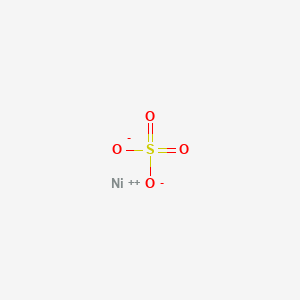
Description : Nickel Sulfate Monohydrate (CAS No: 14104-80-4) is a high-value inorganic compound that occupies a s...
Category : Metal Compounds & Salts
Sub-Category : Specialty Organometallic Compounds
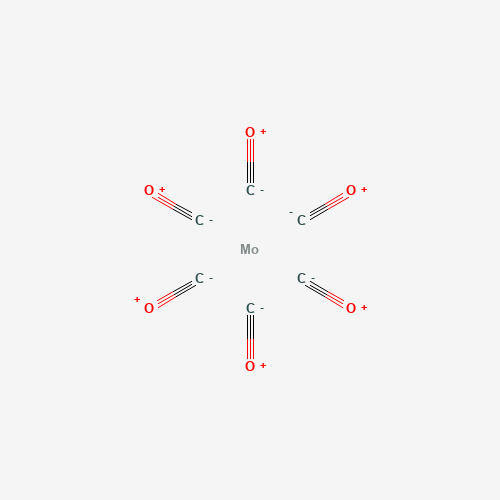
Description : Molybdenum hexacarbonyl is an essential high-performance zero-valent coordination complex that occup...
Category : Electronic & Specialty Grade Materials
Sub-Category : High Purity Metals, Compounds & Powders