Search through
Hero Background
rounded-bottom

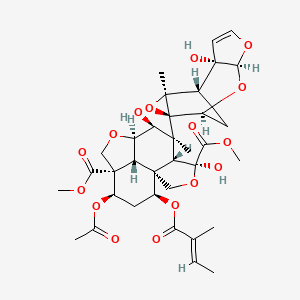
Azadirachtin (CAS NO : 11141-17-6)

Azadirachtin is a naturally occurring tetranortriterpenoid derived from neem tree (Azadirachta indica) seeds. It acts as an insect growth regulator (IGR), antifeedant, and repellent, disrupting molting and development in insect larvae. It is used as a biopesticide in organic farming, providing broad-spectrum insect control with minimal environmental impact. It has other Chemical name as (1R,2S,3S,6R,7S,8R,10R,11S,12S,19R)-10-acetoxy-3,7,12,14,15,17,20-heptahydroxy-2,11-dimethoxy-4,16-dioxo-6,7,8,10,12,14,15,16,17,18,19,20-dodecahydro-1H-3,19-epoxyazadirachtin.

Azadirachtin

Documents

MSDS

Variants | Grades | Strengths

Azadirachtin is a naturally occurring tetranortriterpenoid derived from neem tree (Azadirachta indica) seeds. It acts as an insect growth regulator (IGR), antifeedant, and repellent, disrupting molting and development in insect larvae. It is used as a biopesticide in organic farming, providing broad-spectrum insect control with minimal environmental impact. It has other Chemical name as (1R,2S,3S,6R,7S,8R,10R,11S,12S,19R)-10-acetoxy-3,7,12,14,15,17,20-heptahydroxy-2,11-dimethoxy-4,16-dioxo-6,7,8,10,12,14,15,16,17,18,19,20-dodecahydro-1H-3,19-epoxyazadirachtin.

Get a Quote

Details included in quote

Minimum Order Quantity

Lead Time

Regional Availability

Incoterms

Rounded Top

Chemical Properties & Specifications

Applications of Azadirachtin

Agriculture

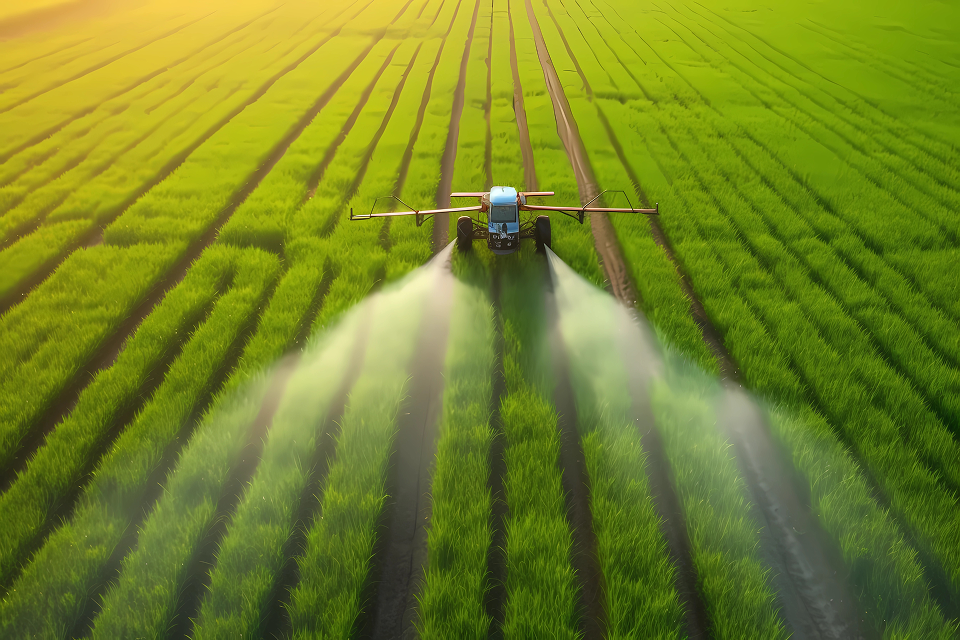
Used as a natural pesticide in organic farming for controlling aphids, whiteflies, caterpillars, and leafhoppers.

Horticulture

Protects vegetables, fruit crops, and ornamentals from insect infestation.

Stored Grain Protection

Applied to seeds and stored grains to prevent insect damage.

Forestry

Used for pest control in tree plantations.

Have Questions About Azadirachtin?
We've Got Answers.

It acts as an insect growth regulator, disrupting molting and reproductive cycles in insect larvae.

It is effective against aphids, whiteflies, thrips, caterpillars, and over 300 other insect species.

Yes, it has low toxicity to bees and other beneficial insects when applied as directed.

Yes, it is approved for use under organic farming certifications such as USDA-NOP and EU organic standards.

Yes, prolonged UV exposure can degrade the compound, so it is best applied in early morning or late evening.

Suggested Products

Humic Based Liquid

CAS No : 1415-93-6

Humic Based Liquid

Category : Plant Health, Nutrients & Soil Management

Sub-Category : Fertilizers & Nutrients

View Product
2-Isopropoxyethylamine (IPAE)

CAS No : 83495-51-6

2-Isopropoxyethylamine (IPAE)

Category : Agrochemical Intermediates

Sub-Category : Specialty & Advanced Intermediates

Description : 2-Isopropoxyethylamine (CAS 81731-43-3), often used interchangeably with CAS 83495-51-6, is a specia...

View Product
Clothianidin Technical

CAS No : 210880-92-5

Clothianidin Technical

Category : Crop Protection & Pest Control

Sub-Category : Insecticides

Description : Clothianidin is a systemic broad-spectrum, neonicotinoid insecticide used to control sap-sucking ins...
View Product
Phosphorous Acid

CAS No : 10294-56-1

Phosphorous Acid

Category : Plant Health, Nutrients & Soil Management

Sub-Category : Plant Growth Regulators & Harvest Aids

Description : Phosphorous acid (CAS 13598-36-2) serves as a vital reducing agent and intermediate in the API inter...

View Product

Get a Quote

Get a Quote