Search through


Pea Protein is a high-purity, hypoallergenic plant protein extracted from yellow peas (Pisum sativum). Unlike many other plant proteins, Pea Protein a naturally free from common allergens such as gluten, soy, and dairy, making it a "clean label" favourite for B2B food manufacturers. Pea Protein Isolate production involves a sophisticated wet-milling process, including cleaning, de-hulling, and grinding, followed by a liquid filtration or centrifugation phase to separate protein from starch and fibre. The final protein fraction is then spray-dried to ensure a neutral flavour profile and high solubility, which is critical for beverage and dairy-alternative applications. Pea Protein has Nutritional Superiority, known for its impressive amino acid profile, particularly rich in Branched-Chain Amino Acids (BCAAs) like Leucine, Isoleucine, and Valine. With a PDCAAS (Protein Digestibility-Corrected Amino Acid Score) of approximately 0.89–0.93, it is one of the closest plant-based equivalents to animal proteins. We are a globally established nutraceuticals supplier, along with a broad portfolio of nutraceutical ingredients worldwide through comprehensive regulatory documentation (CoA), traceability, and consistent global supply capabilities, ensuring reliable lead times and quality assurance across all grades.
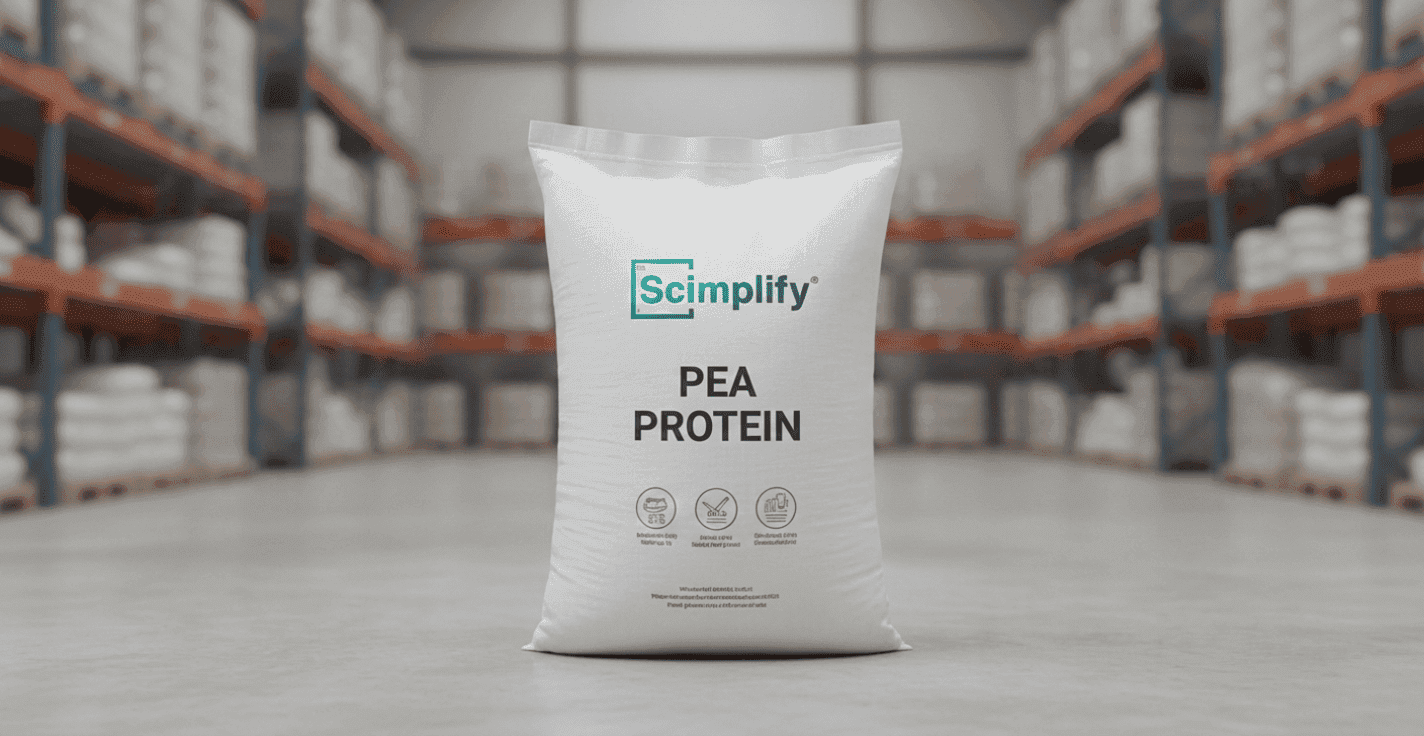
Pea Protein is a high-purity, hypoallergenic plant protein extracted from yellow peas (Pisum sativum). Unlike many other plant proteins, Pea Protein a naturally free from common allergens such as gluten, soy, and dairy, making it a "clean label" favourite for B2B food manufacturers. Pea Protein Isolate production involves a sophisticated wet-milling process, including cleaning, de-hulling, and grinding, followed by a liquid filtration or centrifugation phase to separate protein from starch and fibre. The final protein fraction is then spray-dried to ensure a neutral flavour profile and high solubility, which is critical for beverage and dairy-alternative applications. Pea Protein has Nutriti...

Chemical Properties & Specifications
Vegan protein powders due to its high BCAA content
Structural "bulk" and satiety factor in functional foods and weight management shakes
Primary protein source in pea-based milks, yogurts, and frozen desserts due to its excellent emulsification properties
Foundational ingredient for the "Next Gen" meat alternatives, providing the fibrous texture and "bite" required in plant-based patties and sausages
Protein content enhancement of breads and snacks while improving moisture retention
Pea protein is slightly limited in the sulfur-containing amino acids Methionine and Cysteine. To achieve a complete PDCAAS of 1.0, it is often blended with Rice Protein, which is rich in Methionine.
Pea protein is not one of the "Big 8" allergens. This makes it a preferred choice for pea protein manufacturers targeting the "free-from" market.
Modern "Isolates" (80%+) undergo advanced deodorization and purification to remove the "grassy" or "beany" notes. Higher purity grades offer a neutral profile suitable for delicate applications like vanilla-flavored milks.
Yes. Most pea protein is extracted using mechanical and aqueous (water-based) methods rather than chemical solvents like hexane, which is often used for other protein extractions.
Dry fractionation method & Wet fractionation method, this depends upon whether production is for isolates or concentrates
Peas are an superior source of proteins, carbohydrates, dietary fibre, minerals, vitamins, and phytochemicals.
Yes, export ready with Pea Protein COA and other necessary compliances.