Search through


Hydroxypropyl methyl cellulose or HMPC or MHPC produced in daman manufacturing facility with all document support. (Hypromellose) is a cellulose ether (Hydroxypropylmethyl Cellulose) used as an excipient for the Pharmaceutical, Nutraceutical, and Food Industries due to its efficient and stable functionalities, meeting various needs of customers. (Hydroxypropylmethyl Cellulose) that comes in diverse viscosity range starting from 3 cps upto 200,000 cps. Also known as (Hydroxypropyl methylcellulose, E464, HPMC) by Hypromellose manufacturers, this can be multi laterally used for tablet & pellet coating, granulation, binder, thickener, sustained release polymer, suspension, stabilizer and for making Veg Capsules. We are the leading, trusted HPMC supplier worldwide and in the United States, with reliable lead times and global supply capability.
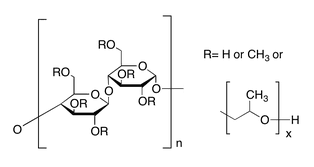
Hydroxypropyl methyl cellulose or HMPC or MHPC produced in daman manufacturing facility with all document support. (Hypromellose) is a cellulose ether (Hydroxypropylmethyl Cellulose) used as an excipient for the Pharmaceutical, Nutraceutical, and Food Industries due to its efficient and stable functionalities, meeting various needs of customers. (Hydroxypropylmethyl Cellulose) that comes in diverse viscosity range starting from 3 cps upto 200,000 cps. Also known as (Hydroxypropyl methylcellulose, E464, HPMC) by Hypromellose manufacturers, this can be multi laterally used for tablet & pellet coating, granulation, binder, thickener, sustained release polymer, suspension, stabilizer and for mak...

Chemical Properties & Specifications
Controlled-release agent in Sustained Release (SR) and Extended Release (ER) tablet formulations. Primary material for HPMC vegetarian capsules, which are dominating the market in 2026 over traditional gelatin
Found in "Artificial Tears" and lubricating eye drops as a viscoelastic agent to treat dry eye syndrome
Functions as a water-retention agent and thickener in dry-mix mortars, tile adhesives, and gypsum-based plasters
Emulsifier, thickener, and stabilizer (E464) in gluten-free bakery products and plant-based meat alternatives to mimic the texture of gluten
HPMC is a versatile, non-ionic cellulose ether used as a thickener, binder, film former, stabiliser, and emulsifier. Commonly used in pharmaceutical tablets, construction materials (tile adhesives, wall putty), cosmetics, paints, food products, and detergents.
Yes, HPMC is approved by the U.S. Food and Drug Administration (FDA) for use in food and pharmaceutical applications. Considered safe when used within regulated limits, including as an excipient in tablets and capsules.
HPMC is generally well-tolerated and non-toxic. In rare cases, excessive oral intake may cause bloating or mild gastrointestinal discomfort, particularly if used as a laxative or dietary fibre. Not known to cause allergic reactions.
Yes. Food-grade and pharmaceutical-grade HPMC is edible and widely used in products like vegetarian capsules, dietary fibre supplements, and food coatings. However, industrial grades of HPMC should not be consumed.
HPMC (Hydroxypropyl Methylcellulose) is a semi-synthetic polymer derived from cellulose. In India, various grades based on viscosity and application: Pharma grades (IP/BP/USP/EP) Construction grades (for tile adhesives, self-levelling compounds) Food and cosmetic grades.
In India, HPMC usage spans across (Pharmaceuticals: tablet binders, film coatings, sustained-release formulations), (Construction: wall putty, cement plaster, tile adhesives, gypsum), (Food: emulsifiers, stabilisers, edible films), (Cosmetics: shampoos, creams, gels), (Paints & coatings: as rheology modifiers and thickeners).
HPMC is generally available in 25 kg paper bags with PE linings or fiber drums. Pricing depends on: *Grade and viscosity, *Purity and moisture content, *Volume ordered.
HPMC is available in a range of viscosities, typically measured in mPa.s (cP): Low viscosity: 3–15 cps, Medium viscosity: 50–4000 cps, High viscosity: 15000–100,000 cps, Ultra-high viscosity: up to 200,000 cps. The choice of viscosity depends on whether HPMC is being used as a thickener, binder, or film-former.
The Degree of Substitution (DS) indicates the average number of hydroxyl groups replaced by methoxy or hydroxypropyl groups in the cellulose backbone. DS affects: *Solubility *Thermal gelation *Film strength *Viscosity stability. Typical DS values for HPMC range between 1.4 and 2.0, depending on the grade and manufacturer.
Yes. HPMC is universally used in sustained-release drug delivery systems. Its gel-forming properties upon hydration help control the release of API over time. Specific viscosity grades are chosen to optimise drug release profiles.