Search through


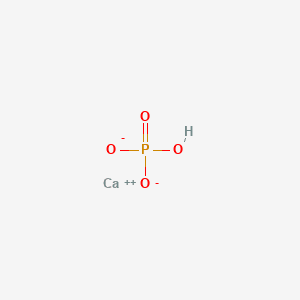
Dicalcium Phosphate (DCP) or Calcium Phosphate, Dibasic is a phosphate compound used in the feed grade animal nutrition industry. DCP also known as calcium hydrogenphosphate acts as balanced source of both calcium and phosphorus, essential for bone development, metabolic health in livestock and poultry needs. DCP common manufacturing ensures it's preferrence in feed premixes and mineral blends to improve skeletal strength and feed efficiency. Cost-effective mineral additive for animal feed is a direct end usage for DCP and that is primarily balanced the phosphorus-calcium ratio in it. DCP Functions best in neutral or alkaline feed formulations with consistent solubility and bioavailability.
Dicalcium Phosphate (DCP) or Calcium Phosphate, Dibasic is a phosphate compound used in the feed grade animal nutrition industry. DCP also known as calcium hydrogenphosphate acts as balanced source of both calcium and phosphorus, essential for bone development, metabolic health in livestock and poultry needs. DCP common manufacturing ensures it's preferrence in feed premixes and mineral blends to improve skeletal strength and feed efficiency. Cost-effective mineral additive for animal feed is a direct end usage for DCP and that is primarily balanced the phosphorus-calcium ratio in it. DCP Functions best in neutral or alkaline feed formulations with consistent solubility and bioavailability.

Chemical Properties & Specifications
Improves eggshell strength and bone structure
Enhances growth rate and metabolic efficiency
Supports skeletal health and reproductive performance
Occasionally used when higher calcium-phosphorus balance is required
Can be combined with trace minerals, salt, or vitamins
Ideal for livestock digestive health
Available in low-F grades
Granules, powder, or microfine
No decomposition under standard feed processing
Yes, MCP has higher solubility and bioavailability (~85–90%), while DCP is preferred for cost-efficiency in mature livestock.
Yes, commonly part of multinutrient premixes in poultry and cattle feed.
Typically 100–150 mesh ensures good dispersion without dustiness.
Trace amounts may be present; low-F grades (<0.1%) are available.
Yes. Export Support: COA, MSDS, Fluoride Certificate, Mesh Size Report.
Yes it depends on availability like ISO / HACCP / Halal / Kosher.